A DMZ Day Trip from Seoul on Your Own
Paju City's shuttle bus from Imjingak, with train times from Seoul, fares, booking rules and Korail's separate tour to Dorasan Station.
You can visit the Paju DMZ without a tour company. Get to Imjingak in Paju and buy Paju City’s DMZ Peace Tour ticket at the ticket office; its shuttle bus takes you to the Third Tunnel, Dora Observatory and Unification Village and back in about three hours. Adults pay ₩12,200 for a departure that uses the tunnel’s monorail and ₩9,200 for a walking one. Tickets are sold from 9 a.m. to 2:30 p.m., and the tour is closed on Mondays. Bring your actual passport; a photo of it or an expired one will not get you in. Dorasan Station is not on this bus course; Korail’s DMZ Peace Link Train tour, covered below, goes there. Panmunjom (the JSA) is a separate visit that this bus tour does not include.
Do I need a tour to visit the DMZ?
No. The DMZ Peace Tour is run by Paju City and sold to individuals: you buy a ticket at the Imjingak DMZ ticket office, or book online first, and ride its shuttle bus into the civilian-control area. Paju does not provide a guide; groups that want one bring their own. On your own you get the sites and the bus, not a narrated tour.
What ID do I need for the DMZ?
Foreign visitors need a passport, an alien registration card or a US military ID, and Paju’s visitor guide checks every person’s ID before selling a ticket. Copies, screenshots, photos of an ID and expired passports are refused. Minors can enter with a responsible adult. Tickets are sold only to people physically at Imjingak, once the whole party has arrived.
The Korean version of the same page adds a rule the English one leaves out: photography and video, including drones, are banned throughout the tour course. Follow the Korean page. Weapons, hazardous items, alcohol and fishing gear may not be carried, and you may not leave the designated roads, which Paju describes as bordered by unidentified minefields.
How much is the DMZ Peace Tour, and when does it run?
Adults pay ₩12,200 for a monorail departure and ₩9,200 for a walking one, and buses leave Imjingak from 9:20 a.m. to 2:40 p.m., Tuesday to Sunday.
| Ticket | Monorail departure | Walking departure |
|---|---|---|
| Adult (19 and over) | ₩12,200 | ₩9,200 |
| Child and youth | ₩9,500 | ₩7,000 |
The English fee page says there are no discounts or exemptions for foreigners, so the senior and disability rates in Paju’s tables do not apply to foreign visitors. Paju’s pages disagree on children. The English fee page labels the youth rate “13 to 18 years old”, while the Korean fee page applies it to all elementary to high school students. The English reservation page and Paju’s FAQ list children 6 and under as exempt in the base fares, but the Korean fee page puts free entry for children 6 and under among the reductions, which the English fee page says foreigners do not get. Our suggestion: budget the child and youth fare for any child aged 7 to 12, and also for a child 6 or under. If the ticket office applies the exemption, that child goes free.
The price difference is the Third Tunnel’s shuttle elevator, a monorail down the incline; on a walking departure you walk down and back up. Since September 29, 2026, according to a Paju notice, the monorail runs on the 9:20, 10:30 and 11:30 a.m. and 1 and 2 p.m. departures on every operating day. Monorail tickets for each of those departures are split 10 online and 20 at the ticket office, 30 in all, except the 9:20, which is sold only at the ticket office (existing online bookings remain valid). Online buyers of those departures pay the monorail charge on site, on top of the online price, and if the monorail breaks down the departure switches to walking.
Shuttle buses leave Imjingak at these times, following the Korean timetable, which matches the September notice. The English timetable still lists 10:00 as a monorail departure and 10:30 as a walking one, the other way round.
| Days | Monorail | Walking |
|---|---|---|
| Tuesday to Friday | 9:20, 10:30, 11:30, 1:00, 2:00 | 9:40, 10:00, 12:30, 1:30, 2:40 |
| Saturday and Sunday | 9:20, 10:30, 11:30, 1:00, 2:00 | 9:40, 9:50, 10:00, 11:00, 12:30, 1:30, 2:40 |
The tour is closed every Monday, on public holidays that fall on a weekday, and on the day of Seollal and Chuseok, though the rest of those holiday periods operate normally. In the months ahead, that means Friday, December 25, 2026, and Friday, January 1, 2027.
How do I book the DMZ Peace Tour?
You can book online or turn up at the office. Online booking on Paju’s reservation page opens from the next day up to about a month ahead. Each morning at 10:00 one more day opens, and same-day online booking is not possible. Online sales usually cover only 14 of each bus’s 44 seats, and all 44 on some departures. The 9:20 departure is sold only at the ticket office. When online slots are gone, Paju’s Korean booking page says you can still buy at the office if tickets remain that day.
At the ticket office, check the board showing the remaining on-site tickets, scan the QR code in front of the office to enter your details, then buy and collect your ticket. Pickup for online bookings closes 20 minutes before departure, and on-site sales for a departure close 10 minutes before it, according to Paju’s FAQ. Tickets often sell out early, and on-site sales can stop once the daily limit of 3,000 visitors is reached; online bookings are counted in advance. We did not test whether the online checkout accepts foreign cards. Book online if you can; if checkout fails, arrive early and buy at the office.
The ticket office is on 031-954-0303 and 031-954-0640 (+82 31-954-0303 from abroad), and tour information is on 031-953-4744. Calling before you set out is the quickest way to check same-day tickets or a weather suspension.
How do I get from Seoul to Imjingak by public transport?
Take the Gyeongui-Jungang Line to Munsan and change to the short shuttle train to Imjingang Station. From Imjingang Station, the ticket office is about a 20-minute walk, and village buses 058A and 058B also stop there. The office is inside the Imjingak tourist area; in a taxi, ask for 임진각 (Imjingak). Pay with a T-money card.
The Munsan–Imjingang shuttle runs only a few times a day. These times are from Korail’s timetables valid from September 1, 2026.
| Munsan → Imjingang | Imjingang → Munsan | |
|---|---|---|
| Weekdays | 9:20 → 9:30, 5:05 → 5:15 p.m. | 9:40 → 9:50, 5:25 → 5:35 p.m. |
| Weekends and holidays | 9:35 → 9:45, 10:35 → 10:45, 3:45 → 3:55 p.m., 5:20 → 5:30 p.m. | 10:00 → 10:10, 11:00 → 11:10, 4:10 → 4:20 p.m., 5:45 → 5:55 p.m. |
On a weekday, leave Seoul Station (Gyeongui Line platforms) at 7:55 a.m., arriving at Munsan at 9:02, or Hongik Univ. at 8:01 a.m., arriving at 8:57. Take the 9:20 shuttle and walk, and you should reach the ticket office around 9:50, in time for the 10:30 bus. On weekends and holidays, most Gyeongui Line trains from Seoul Station stop short of Munsan, so start at Hongik Univ.: the 8:19 a.m. reaches Munsan at 9:15 for the 9:35 shuttle, which gets you to the office about 10:05 for the 10:30 monorail or 11:00 walking bus; the 9:28 reaches Munsan at 10:24 for the 10:35 shuttle, which gets you there about 11:05 for the 11:30.
The 10:30 bus gets back to Imjingak about three hours later, around 1:30 p.m. The next shuttle train is not until 5:25 p.m. on weekdays or 4:10 p.m. on weekends, so take a bus or taxi to Munsan. Paju’s tourism portal lists bus 058 between Munsan Terminal and the Imjingak tourist area and puts a taxi between Munsan Station and Imjingak at about ₩7,000. The same page lists bus 9710 from Seoul Station (Namdaemun side) to Munsan Terminal if you prefer the bus. By our estimate from these times, the trip takes most of a day: leave Seoul around 8 a.m. and expect to be back by mid-afternoon.
Does Korail’s DMZ train run in 2026, and can I see Dorasan Station?
Yes, but as a packaged day tour, not a regular train. The DMZ Peace Link Train resumed between Seoul Station and Dorasan Station in April 2026, after Korail’s earlier DMZ train stopped in 2019. Korail’s Peace Train page still says “suspended”; that refers to the old service. Paju’s own Dorasan shuttle-train tour ended in March 2026, handing over to this train.
Korail Networks sells an English DMZ Peace Link Train Tour for foreign visitors at ₩52,600, covering the round-trip train, connecting transport and admissions but not lunch. On October 13 its calendar listed Fridays October 23, November 13 and 27, and December 11, and Saturdays October 31, November 7 and 21, and December 5 and 19. It showed these times for a Friday and a Saturday departure, meeting at Seoul Station’s Gyeongui Line exit 1:
| Day | Meet | Train leaves | Back in Seoul |
|---|---|---|---|
| Friday | 8:10 a.m. | 8:45 a.m. | 4:35 p.m. |
| Saturday | 8:20 a.m. | 9:01 a.m. | 4:33 p.m. |
The day covers Dorasan Station, Dora Observatory, lunch at Unification Village and Camp Greaves, with ID checks at Imjingang and Dorasan, but not the Third Tunnel. It needs at least 30 people and is cancelled three to four days ahead if it falls short. Children under 14 must be with a legal guardian, and drones and action cameras are banned.
Does the DMZ tour run in rain or snow?
Not always. Paju can stop all tours without notice for rain, bad weather, a security threat or a safety problem, cancelling online bookings, and closes entry after snowfall in winter, according to its visitor guide and FAQ. Suspensions are posted on its Korean notice board, as for April 19, 2026; on a doubtful day, call the ticket office before you set out.
Can I walk into the Third Tunnel with limited mobility?
Maybe not: Paju says the tunnel is narrow and steep, and wheelchair users and visitors with limited mobility may not be allowed in. Its Korean visitor guide adds that people who are elderly or frail, have high or low blood pressure, have breathing difficulties or have been drinking may be kept out of the tunnel.
What will I see on the DMZ Peace Tour?
The Third Tunnel was found in 1978. It is 2 metres wide, 2 metres high and 1,635 metres long, and lies 52 kilometres from Seoul. A film hall at the site covers the history of the division and the DMZ’s nature. Dora Observatory is the South’s northernmost observatory for looking into North Korea; its telescopes take in Mount Songak and the edge of Kaesong, and on clear days the Kaesong Industrial Complex. Unification Village, inside the civilian-control line, was settled by veterans’ and displaced local families and has a telescope facing the North.
More Day Trips
Day Trips
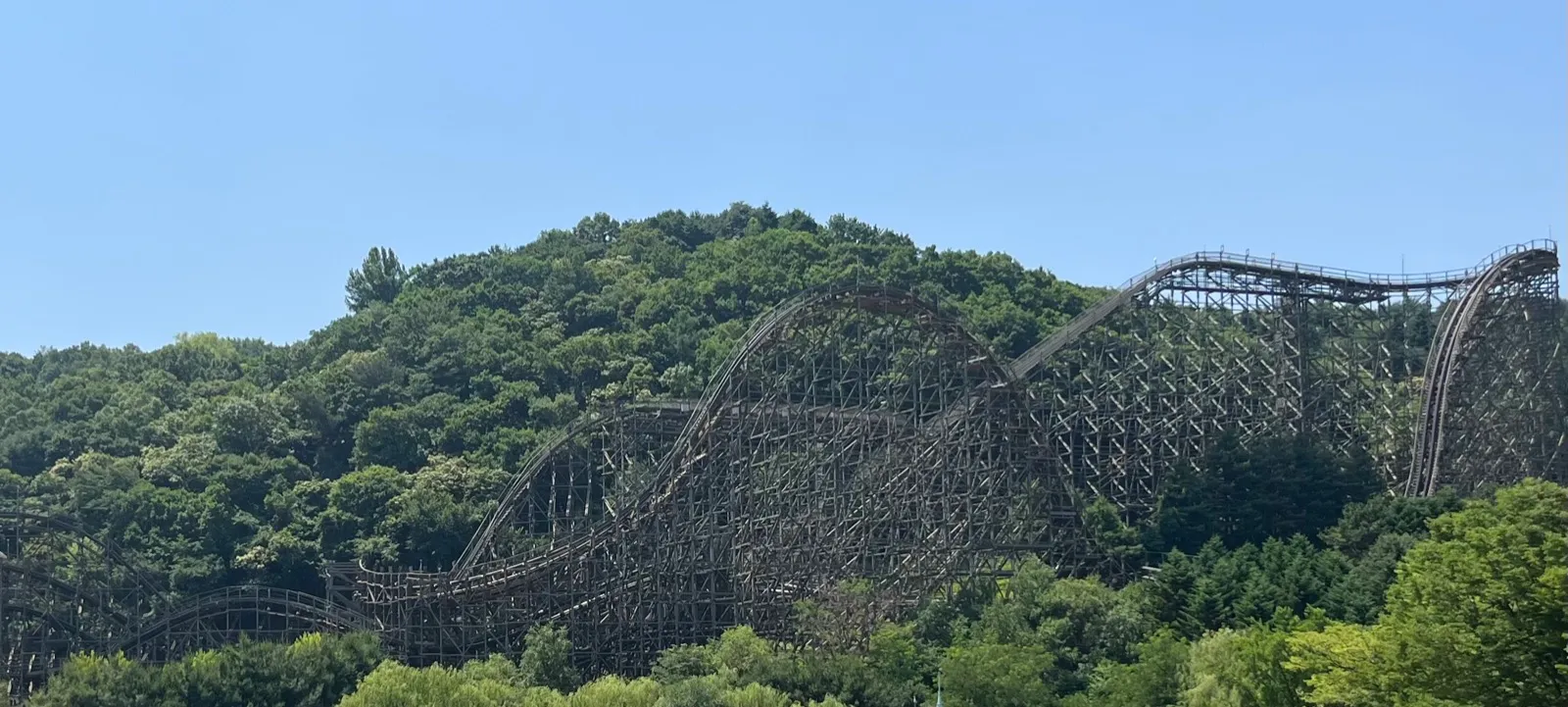
Everland as a Day Trip from Seoul
Which red bus to take from Gangnam, Jamsil or Seoul Station, what a day pass costs on Everland's page for international visitors, how the app's Smart Queue works, and how to get back to Seoul after the fireworks.
Day Trips
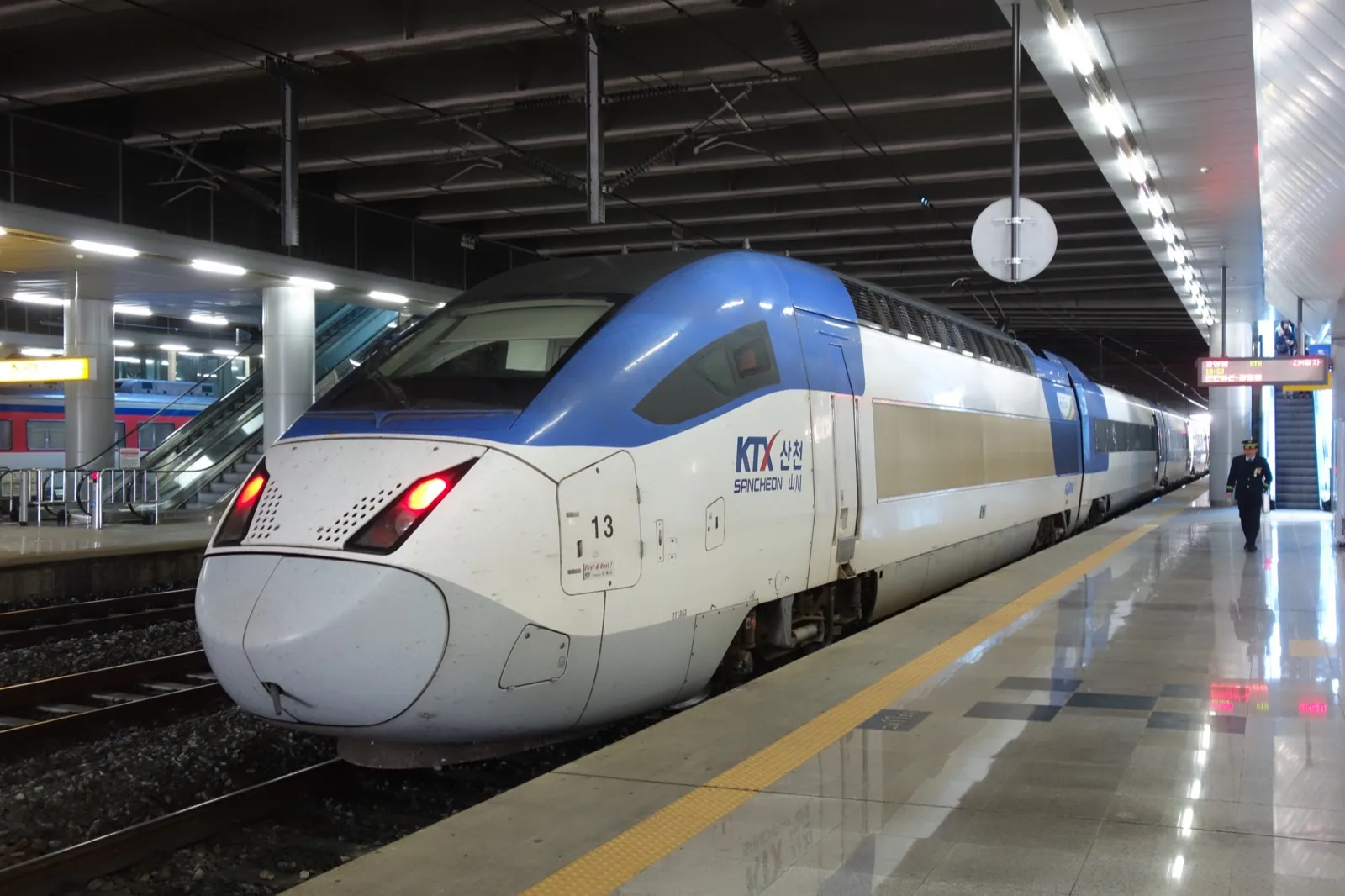
Seoul to Busan by KTX in a Day
Busan works as a day trip from Seoul: the KTX takes about 2 hours 20 minutes to 2 hours 50 minutes each way. Which station to leave from, what a seat costs, how to book as a foreign visitor, whether the KORAIL PASS pays off, the last trains back, and what you can reach in Busan by metro.
Day Trips
A Suwon Hwaseong Day Trip from Seoul
Suwon is about an hour from Seoul on Line 1 for ₩2,150, or 30 to 40 minutes on an intercity train. The fortress walls are free and the palace is ₩2,000; a tour tram, traditional archery and a tethered balloon (closed November to January) fill the rest of the day.
Steve OH edits Seoulpin. Steve runs Standardpin, a Seoul-based web studio that also builds websites for clinics; that work has no effect on whether or how any clinic appears here. Articles are drafted with AI assistance from the sources listed and reviewed by Steve before publishing. How we work