Gwangjang Market Street Food: Hours, Dishes and How to Order
Hours, the walk from Jongno 5-ga Station, what bindaetteok, mayak gimbap, yukhoe and kalguksu are, how the stalls work, and how to avoid being overcharged.
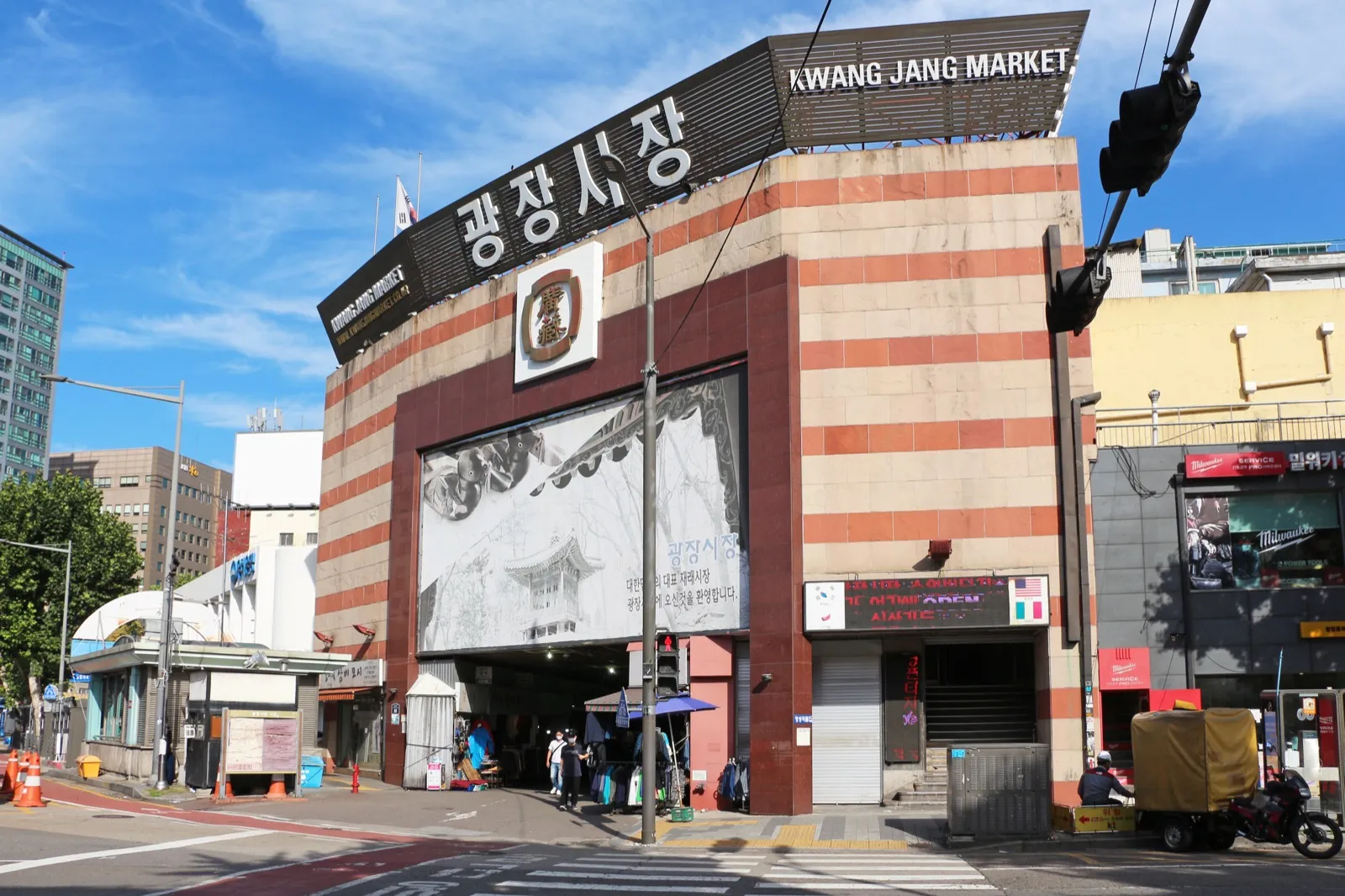
Gwangjang Market’s food alley is open every day of the year, Sundays included, from 9 a.m. until about 10 p.m., with closing times set by each stall. It is 62 meters from Exit 8 of Jongno 5-ga Station on Line 1. People come for bindaetteok (mung bean pancakes), mayak gimbap (mini rice rolls), yukhoe (seasoned raw beef) and kalguksu (knife-cut noodle soup). You sit at a stall’s bench, order from its menu board and pay the vendor; whether you can pay by card varies from stall to stall, and some still ask for cash or a bank transfer, so carry some won. Check the price on the board before you order: some stalls have overcharged since 2023, and since June 2026 Jongno-gu can remove stalls that break the rules.
What time does Gwangjang Market open and close?
The food alley runs from 9 a.m. to 10 p.m. and is open all year, according to the merchants’ association hours page, which adds that hours differ from stall to stall. The other sections keep shorter hours.
| Section | Hours | Sundays |
|---|---|---|
| Food alley (먹자골목) | 9 a.m. to 10 p.m., varies by stall | Open all year |
| General shops | 9 a.m. to 8 p.m. | Open, varies by shop |
| Hanbok, bedding, vintage clothing (2F), women’s clothing | 10 a.m. to 7 p.m. | Open, varies by shop |
Where the official pages disagree. The Seoul Tourism Organization’s Visit Seoul page lists the market as 9 a.m. to 6 p.m., closed Sundays, the vintage shopping street as 10 a.m. to 7 p.m., closed Sundays, and the food alley as 9 a.m. to 11 p.m., open all year. The Korea Tourism Organization’s market page gives the market’s holiday as Sundays, with only the food street open all year. Every source agrees that the food alley opens at 9 a.m. on every day of the week.
How do you get to Gwangjang Market?
Take Line 1 to Jongno 5-ga Station and leave by Exit 8; Visit Seoul puts the market 62 meters from that exit. The association’s directions page also gives Exit 4 of Euljiro 4-ga Station on Line 2, a 100-meter walk. Several city buses also stop at the market; Naver Map will route you to the nearest stop. The address to put into a map app is 88 Changgyeonggung-ro, Jongno-gu (서울 종로구 창경궁로 88), or simply 광장시장.
The food stalls fill the covered alleys between North Gate 2 and South Gate 1 (merchants’ association). Our T-money guide covers subway and bus fares, and our Naver Map guide explains how to search in Korean.
What should you eat at Gwangjang Market?
Visit Seoul names the market’s best-known foods as bindaetteok, modum-jeon (assorted savory pancakes), mayak gimbap, sundae (Korean sausage) and head meat, yukhoe and Korean-style meatballs. Visit Seoul also mentions tteokbokki (on its Korean-language page, oversized tteokbokki) and eomuk (fish cake).
- Bindaetteok (빈대떡), mung bean pancake. The Korea Tourism Organization describes it as a batter of finely ground mung beans, pork, mung bean sprouts and bracken fried in an oiled pan, thicker and more savory than other Korean pancakes. It is also called nokdujeon (녹두전). The merchants’ association names the pancake made from mung beans ground on site as one of the market’s signature foods.
- Mayak gimbap (마약김밥). The association says this is the nickname of kkoma gimbap (꼬마김밥), small gimbap rolls. “Mayak” means drugs in Korean; Visit Seoul’s listing for the shop it calls the original says the word was added because the rolls were so delicious, and its Korean page describes the original mayak gimbap as eaten with a mustard sauce.
- Yukhoe (육회), seasoned raw beef. Raw beef, usually round, is mixed with a generous amount of sauce made from soy sauce, green onion, minced garlic, sesame salt and sugar (Korea Tourism Organization). The meat is not cooked, so skip it if you do not eat raw meat.
- Kalguksu (칼국수), knife-cut noodle soup. The name joins kal (knife) and guksu (noodles), because the noodles are cut with a knife. The Seoul episode of Netflix’s Street Food: Asia is set at Gwangjang Market’s stalls and features knife-cut noodles.
Many stalls sell the same dishes. On a first visit, share one bindaetteok and a plate of mayak gimbap between two people at one stall, then move on for noodles or yukhoe at another, so you can try three or four dishes.
How much does food cost at Gwangjang Market?
Expect roughly ₩8,000 to ₩28,000 a dish at the prices reported between 2023 and 2026. These are the figures in official and news reports; the price on the stall’s own board is what you should pay.
| Item | Price | Reported |
|---|---|---|
| Modum-jeon (assorted pancakes) | ₩15,000 a plate | One stall, November 2023 (Chosun Biz) |
| Yukhoe | ₩19,000 for 200 g at one stall, ₩28,000 for 300 g at another | Seoul’s example of the price label, December 2023 (Seoul) |
| Sundae | ₩8,000 on the board | One stall, November 2025 (Dong-A Ilbo) |
| Bottled water | ₩1,000 on the board | One stall, August 2026 (Channel A) |
How do the food stalls work?
Sit at the bench around a stall’s counter, order by pointing at the line on its menu board or at a food model, and pay that vendor. A January 2024 Chosun Biz report found that most stalls had replaced the real food on their counters with food models, such as japchae, gimbap, noodles and jokbal. Menu boards were meant to show weights next to prices under the 2023 measures, but that January 2024 check found a weight on only one dish, modum-jeon at 600 g, so don’t count on seeing them.
Card payment varies from stall to stall. The Korea Tourism Organization lists cards as accepted for the market as a whole, and Seoul says the merchants’ training covers not pushing customers to pay in cash. Yet when Chosun Biz reporters tried to pay by card in November 2025, only 1 of 10 stalls said yes on one day. A few days later, stalls in the food area near the East Gate all said they took cards, while stalls in other sections mostly took only cash, Onnuri gift vouchers or bank transfer. Carry some small notes in won and ask before you order. If you need won, our convenience store guide covers how to find an ATM that takes foreign cards.
Three phrases help:
- 이거 얼마예요? (igeo eolmayeyo): how much is this?
- 카드 돼요? (kadeu dwaeyo): can I pay by card?
- 포장돼요? (pojang dwaeyo): can I take it away?
Is Gwangjang Market a tourist trap?
Not as a whole, but some individual stalls have charged more than their own menu boards, most recently in 2026, so check the board before you order. Seoul and Jongno-gu have answered with weight labels, mystery shoppers and penalty points.
- November and December 2023. A YouTuber’s video of a ₩15,000 plate of modum-jeon with just over 10 pieces spread online, and the merchants’ association suspended the stall for 10 days, Chosun Biz reported. In December, Seoul, Jongno-gu and the merchants announced weight labels next to menu prices, food models of signature dishes, a merchant-led committee to agree price increases, mystery shoppers and service training twice a month.
- May and June 2026. After a stall sold a sundae listed at ₩8,000 for ₩10,000 in November 2025, and another charged a foreign visitor ₩2,000 in April 2026 for water it had given away free, according to Dong-A Ilbo, Seoul announced a May–June inspection with Jongno-gu, using Korean and foreign mystery shoppers to check for overcharging, forced sales and unfair treatment of foreigners. From June, Jongno-gu’s stall real-name system gives stalls penalty points, with sanctions up to cancelling their road-occupancy permit. Dong-A Ilbo reports that a stall that goes over 120 points in a year, or reaches four violations, is removed permanently.
- August 2026. Channel A reporters posing as foreign tourists were charged ₩1,500 for water listed at ₩1,000, and reported that in the system’s first three months no stall had received a single penalty point.
Our view: the problems reported involve individual stalls, not the market as a whole, and the alley still puts these dishes side by side under one roof. Go, and use the checks below. Myeongdong’s street stalls run under a different district’s rules; see our Myeongdong guide for how paying and reporting work there.
How do you avoid being overcharged?
- Before you sit down, find the dish on the stall’s menu board and note the price and, where shown, the weight.
- Order by pointing at that line on the board, not only at the food, and ask 이거 얼마예요? if no price is shown.
- Ask the price before you accept bottled water or anything you did not order; the stalls in the reports above asked ₩1,500 and ₩2,000 for a bottle of water.
- If the stall takes cards, pay by card and look at the amount on the terminal before you tap or sign.
- If you are charged more than the board, show the vendor the board. If that does not settle it, call the 1330 Travel Helpline (1330 from a Korean phone, +82-2-1330 from abroad, English is option 2, Japanese option 3) or file at the Tourist Complaint Center, which translates complaints into Korean, passes them to the responsible agency and replies in your language.
When is the best time to go?
For food and shopping together, go Monday to Saturday between 10 a.m. and 5 p.m., when every section is open by any source’s hours. For food alone, a weekday late morning or mid-afternoon, between the lunch and dinner rushes, makes a seat easier to get (our planning advice, not an official figure). For dinner, arrive by 8 p.m. so you are not relying on the few stalls open past 10 p.m. Allow two to three hours if you also browse the second-floor vintage clothing shops.
What else is near Gwangjang Market?
- Vintage and hanbok shops. Visit Seoul points clothing fans to the hanbok stores and the vintage clothing shops on the second floor.
- Underground shopping. The Jongo, Jongno 4-ga and Majeon Bridge underground shopping centers run beside the market entrances; our underground shopping guide has their hours.
- Cheonggyecheon Stream. The merchants’ association suggests walking along Jongno, eating at the market and then walking Cheonggyecheon at night.
- Jongmyo and Dongdaemun. Visit Seoul lists Jongmyo Shrine and Dongdaemun Design Plaza as nearby sights. See our Jongmyo guide for entry days, and our Dongdaemun guide for late-night shopping after dinner.
More Food & Drink
Food & Drink
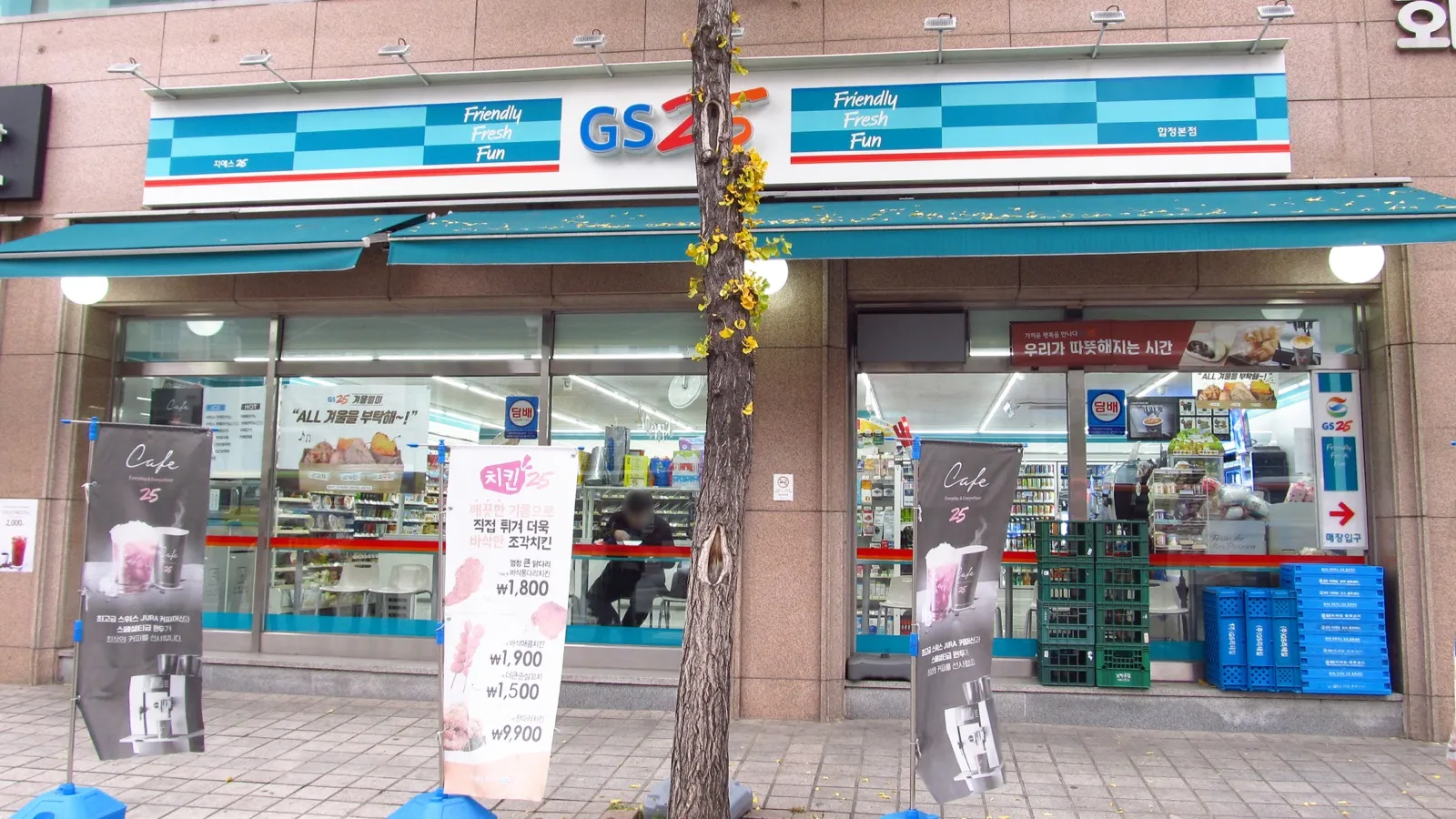
Korean Convenience Stores: How GS25, CU, 7-Eleven and emart24 Work
Paying by card, the hot-water station for cup ramyeon, opening a triangle kimbap, 1+1 and 2+1 deals, the age rule for beer, and the ATMs, parcel kiosks and tax refunds some branches add.
Food & Drink
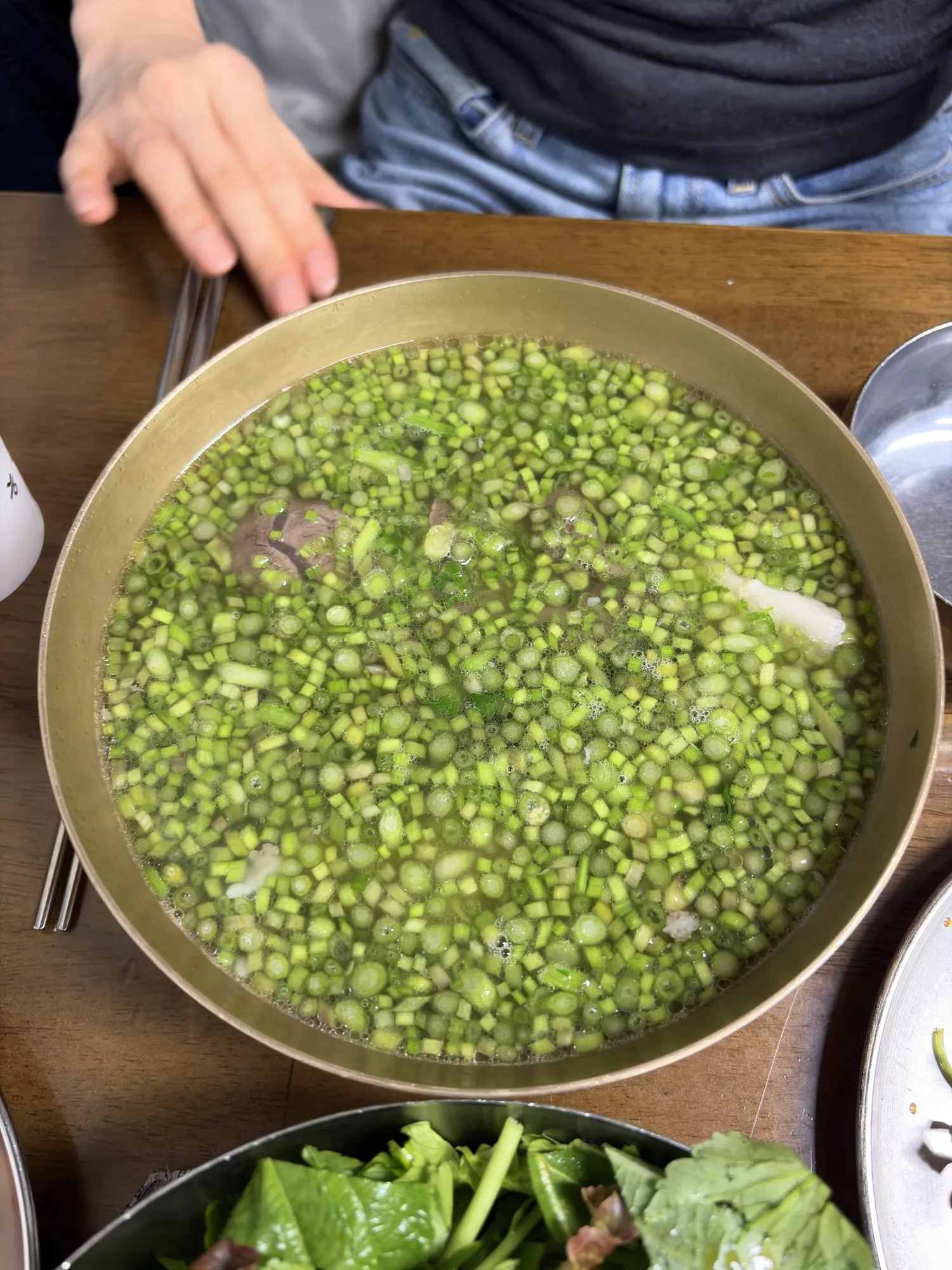
Neungdong Minari in Seongsu: Is the Minari Beef Soup Worth the Line?
I went on a Friday night in October and paid my own bill. How long the line really takes, what to order, what minari tastes like and who may not like it, prices, hours, takeout, and the walk from Seongsu Station Exit 4.
Food & Drink
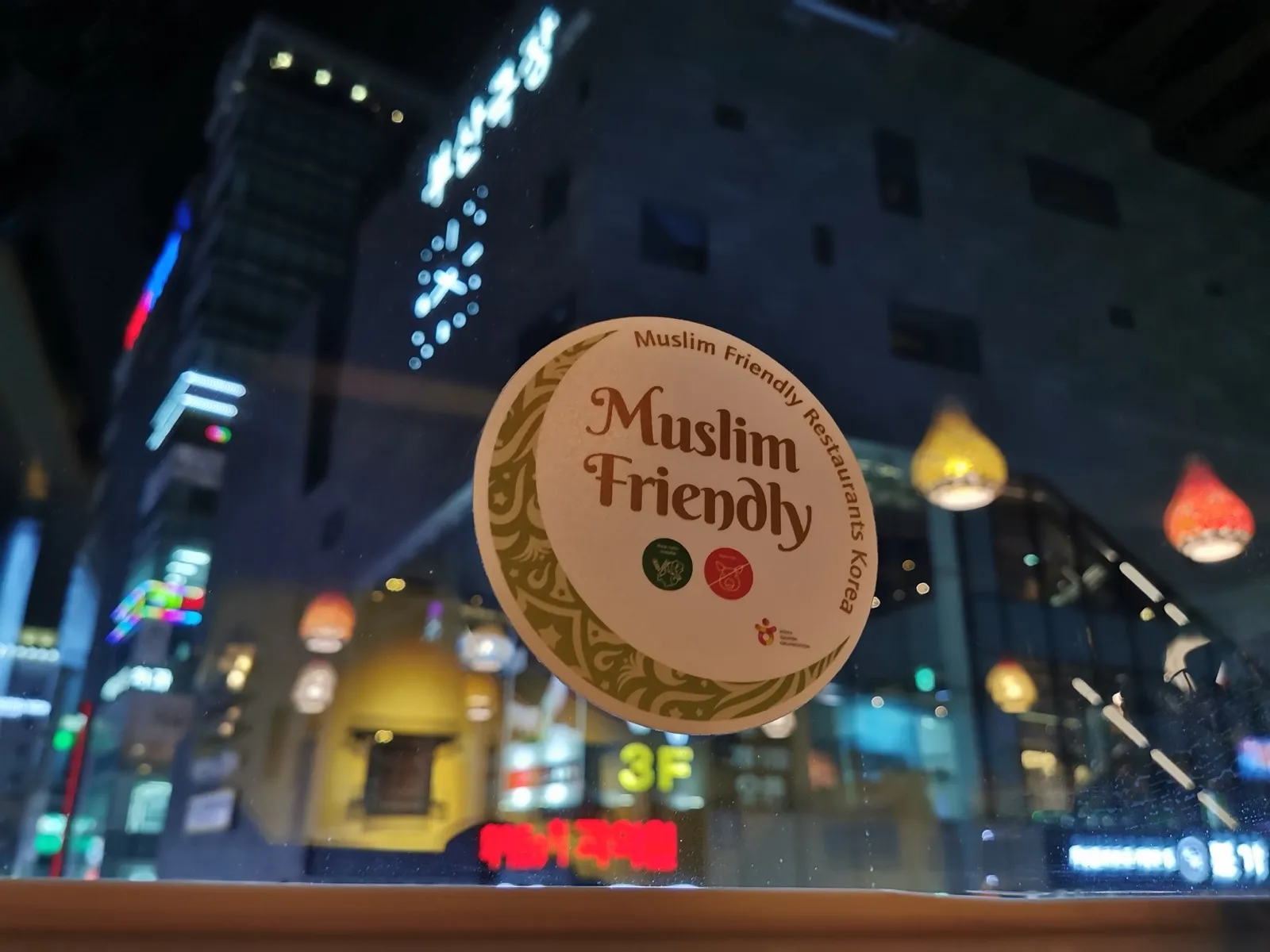
How to Find Halal Food in Seoul
What the four official restaurant categories actually promise, how to check a Korea Muslim Federation certificate on the wall and online, where the official lists are, and which Korean dishes and labels hide pork.
Steve OH edits Seoulpin. Steve runs Standardpin, a Seoul-based web studio that also builds websites for clinics; that work has no effect on whether or how any clinic appears here. Articles are drafted with AI assistance from the sources listed and reviewed by Steve before publishing. How we work