Seongsu-dong for First-Timers: Stations, Seoul Forest and the Pop-Up Streets
What Seongsu is, which of its three stations to use, how the pop-up streets work, Seoul Forest's hours and winter changes, and when to go to miss the worst crowds.
Seongsu-dong (성수동) is a former factory and shoemaking district in Seongdong-gu, on the north bank of the Han River, that now fills its brick warehouses with cafés, brand flagships and short-run pop-up stores. Take Line 2 to Seongsu Station for the pop-up streets, or the Suin-Bundang Line to Seoul Forest Station for the park; Ttukseom, the Line 2 stop on the park side, is one stop west of Seongsu. Go Wednesday to Friday from late morning, avoid Mondays and Tuesdays, and give it half a day: Seoul Forest first, then the streets around Seongsu Station into the evening.
What is Seongsu-dong?
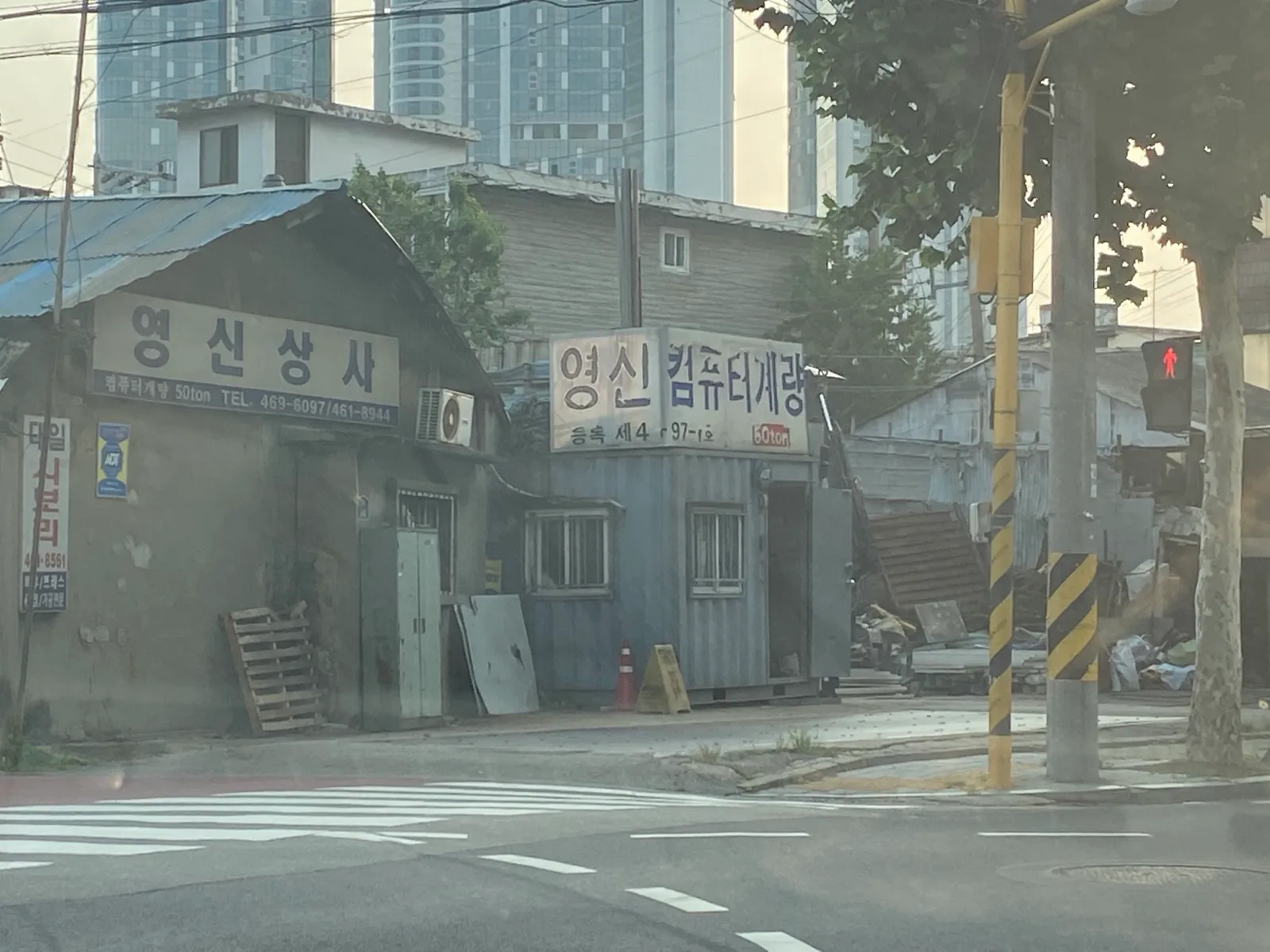
Seongsu is the old industrial edge of eastern Seoul that turned into the city’s trend district without tearing its factories down. Small factories moved into Ttukseom and Seongsu from the late 1950s, and steel, printing and wig plants followed by the 1970s, according to Visit Seoul. Shoemakers gathered here from the 1970s as well, moving in from Myeongdong, Yeomcheongyo and Geumho-dong.
The shoe street is still here. About 350 handmade shoe manufacturers and 100 parts and materials firms work in the area (VisitKorea), and Visit Seoul puts 70% of Korea’s handmade shoe makers in the district. After the 1997 financial crisis and cheap imports closed many factories, artists and young designers moved into the empty buildings, and workshops doubled as cafés and event spaces. The area was once called the “Brooklyn of Seoul,” and car repair shops, printing works and shoe workshops still operate between the flagships, so you will walk past metal shutters and repair bays as often as shop windows.
How do you get to Seongsu?
Use Seongsu Station (Line 2) for the shopping streets, Seoul Forest Station (Suin-Bundang Line) for the park and Ttukseom Station (Line 2) when you want both. All three are in Seongsu-dong.
| Station | Line | Use it for | Exit |
|---|---|---|---|
| Seongsu (성수) | Line 2 | Yeonmujang-gil, the shoe street, the pop-up blocks | Exit 4 for Yeonmujang-gil; Exit 1 for the shoe street |
| Ttukseom (뚝섬) | Line 2, one stop west of Seongsu | Seoul Forest’s main side, about 15 minutes on foot | Exit 8 |
| Seoul Forest (서울숲) | Suin-Bundang Line | The park, about 5 minutes on foot, and the Seoul Forest end of the district | Exits 3 and 4 |
Line 2 is the circle line, so from Hongik University (Hongdae) or Gangnam Station you ride straight to Seongsu without a transfer. From Myeongdong, take Line 4 to Dongdaemun History & Culture Park and change to Line 2. The Suin-Bundang Line links Seoul Forest Station with Wangsimni to the north and Apgujeong Rodeo across the river, so it is the quick way over from Apgujeong. For fares, T-money and transfers, see how to ride the Seoul subway.
Seongsu Station has four exits, and Exit 3 is the busiest, above all in the evening rush, so leave by Exit 4 for Yeonmujang-gil or Exit 1 for the shoe street. The cafe street has no parking of its own (VisitKorea points drivers to the Seongsu Station public lot), so the subway is easier.
What is there to do in Seongsu?
Walk. Seongsu has no single sight to queue for; the point is the streets themselves, where a factory, a café and a brand’s showroom share one block. Start on Yeonmujang-gil (연무장길), the street that runs from Seongsu Station Exit 4, which Visit Seoul calls the street where the district’s history shows most clearly: pop-ups and brand galleries next to old apartment-style factory buildings.
From there, cover three kinds of place:
- The handmade shoe street. Workshops that design, make and sell shoes in one place, including made-to-measure pairs, cluster around Seongsu Station. Visit Seoul lists the street at the Samhan Warehouse building, 13-15 Yeonmujang 7-gil, about 110 m from Seongsu Station Exit 1.
- Converted factories and warehouses. The cafe street grew out of buildings like the former Daerim Warehouse, which VisitKorea credits with starting the change. The cafés, galleries and workshops sit in former industrial buildings, so look at the building as much as the menu.
- Brand flagships. Fashion, eyewear, beauty and K-pop companies use Seongsu for their showcase stores. We cover the big ones elsewhere: Gentle Monster’s HAUS NOWHERE SEOUL and the Musinsa stores, Olive Young N Seongsu, its largest store by floor space, and SM Entertainment’s KWANGYA@SEOUL near Seoul Forest Station.
Shops here keep late-morning hours. The Seongsu shops on VisitKorea’s district list open around 10:30 to 11:30 a.m. and close around 8 to 9 p.m., and some close on Mondays. Arriving at 9 a.m. means empty streets and shut doors.
How do Seongsu’s pop-up stores work?
A pop-up is a shop a brand opens for a few days or weeks to launch a product or a collaboration, and Seongsu is where Seoul’s pop-up culture is centered. Fashion and luxury labels, beauty brands and entertainment companies rent a warehouse or a ground floor, dress the whole building, and move out again; a concept store replaces yesterday’s pop-up, as Visit Seoul puts it. Some permanent stores host them too: Olive Young N Seongsu runs monthly pop-ups and exhibitions.
Three things follow for a visitor:
- Lines are normal. Queues outside pop-ups and restaurants are part of Seongsu’s everyday landscape (Visit Seoul).
- What you see will be gone next month. Don’t build a trip around a pop-up you saw online weeks ago; pick one whose dates the brand itself announced for the days you are in Seoul, and treat everything else as a find. Pop-ups running this month are in Seoul this month.
- The building is the show. Brands fit out the whole space for a launch, so a big pop-up is worth a look even if you don’t know the brand.
If a restaurant line is the reason you came, our reviews of Silbiok’s beef seaweed hot pot and Neungdong Minari explain how their waitlists work.
What is Seoul Forest, and when is it open?
Seoul Forest (서울숲) is the large park at Seongsu’s western end, open 24 hours a day, every day, and free. It covers about 495,869 m² between the Jungnangcheon stream and the Han River, at 273 Ttukseom-ro. The land was a royal hunting ground, then a water treatment facility, a golf course and a horse racing track before the city opened it as a park on June 18, 2005 (VisitKorea, Seoul Forest Park Conservancy).
The park has four themed areas plus a riverside section: the Cultural and Arts Park with its big family lawn, the Eco Forest, the Experiential Learning Park with the insect and butterfly gardens, the Wetland Eco Center, and the Han River side with Seoul Forest Quay and bike paths (Visit Seoul). The Eco Forest keeps deer, and its footbridge crosses to Hangang Riverside Park, so you can watch the deer from above and walk on to the river. If you come by bike, walk it inside the park: since March 26, 2026 riding is banned on the park’s main paths, and allowed only on the stretch from the Ttukseom Water Purification Center to the Han River (Seoul Metropolitan Government).
The park never closes, but some parts do. Hours from the Seoul Forest Park Conservancy, which runs the park:
| Facility | Season | Hours |
|---|---|---|
| Eco Forest (deer enclosure, footbridge) | All year | 5:30 a.m. to 9:30 p.m. |
| Insect Garden | All year | 11 a.m. to 4 p.m., closed Mondays and Tuesdays |
| Butterfly Garden | May to October | 11 a.m. to 4 p.m., closed Mondays and Tuesdays; from November to April the butterflies move to the Insect Garden’s second floor |
The visitor center is at Entrance 1, with the park’s history, a children’s library and a baby care room. The nearest entrances are a 5-minute walk from Seoul Forest Station Exit 3 or a 15-minute walk from Ttukseom Station Exit 8.
When is the best time to visit Seongsu?
Go on a Wednesday to Friday, arriving around 11 a.m., and stay into the evening. That timing gets you open shops and shorter launch lines than at the weekend. Avoid Mondays, when some shops close, and Tuesdays too if you want Seoul Forest’s insect and butterfly gardens, which close both days. At weekends, expect long lines at the newest pop-ups, and leave Seongsu Station by Exit 4 or Exit 1 rather than the crowded Exit 3.
For the park, spring and autumn are the seasons. Cherry blossoms and tulips fill Seoul Forest in spring, and in autumn the lawns host outdoor music events (Visit Seoul). From November to April the Butterfly Garden’s outdoor area is closed and its butterflies are shown inside the Insect Garden, so plan a winter visit around the streets and come to the park for a walk and the greenhouse.
A simple half day: take the Suin-Bundang Line to Seoul Forest Station, walk the park and the deer footbridge in the late morning, then ride Line 2 one stop east from Ttukseom to Seongsu and spend the afternoon and evening on Yeonmujang-gil and the shoe street.
More Neighborhoods
Neighborhoods
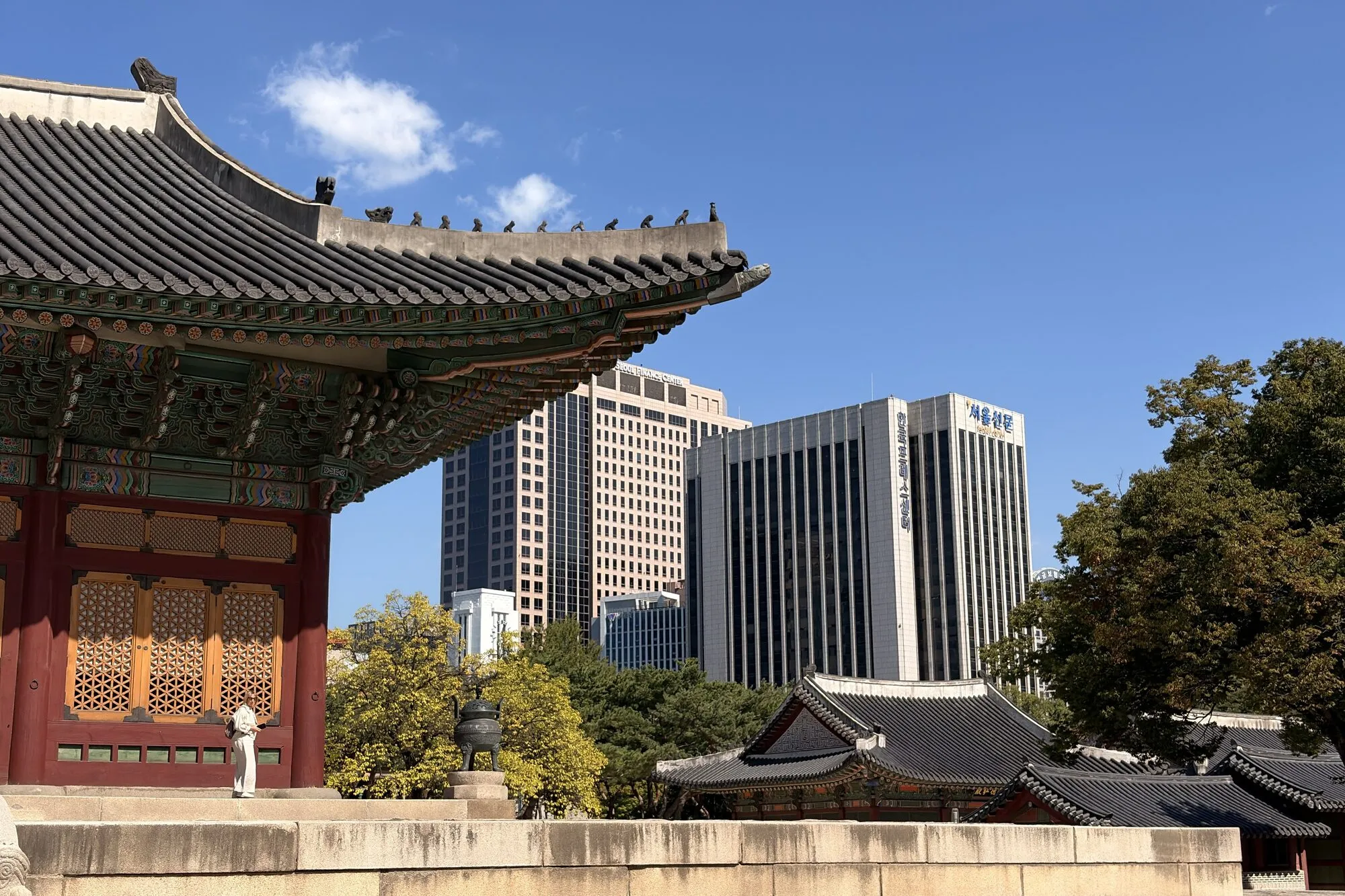
City Hall to Deoksugung to the Seoul Museum of Art: A Half-Day Walk That's Free on Wednesdays
Seoul City Hall's new basement gallery, the palace that now opens free every Wednesday, the stonewall road and a free city art museum, all within a few minutes of City Hall Station. Hours, closing days, tours and the order to walk it in.
Neighborhoods
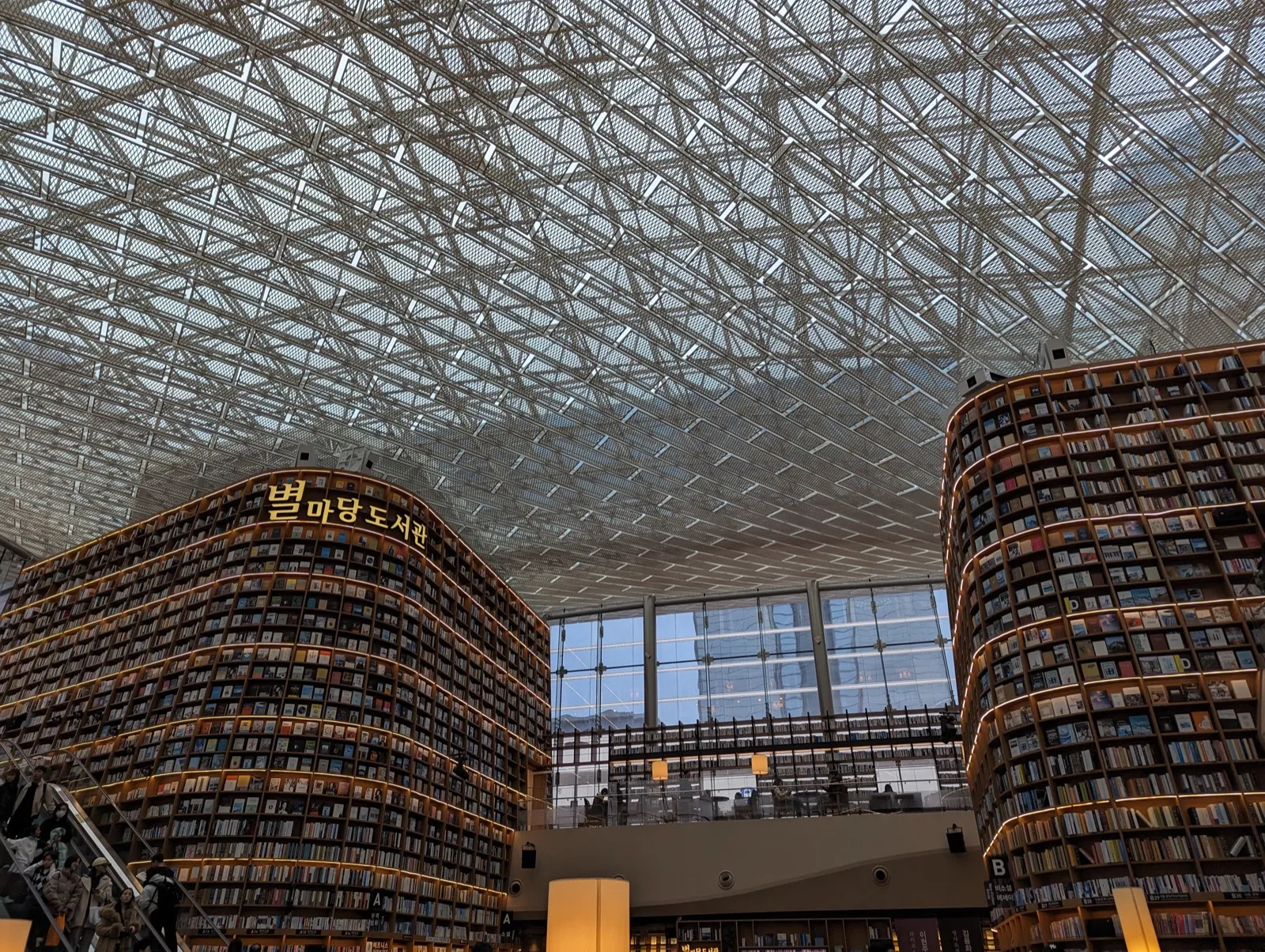
Gangnam for First-Timers: What It Is and How to Spend a Day
What Gangnam actually looks like on the ground, a one-day route from Bongeunsa and COEX to the royal tombs, Apgujeong and Garosu-gil, which subway lines to ride, and whether it makes a good base.
Neighborhoods
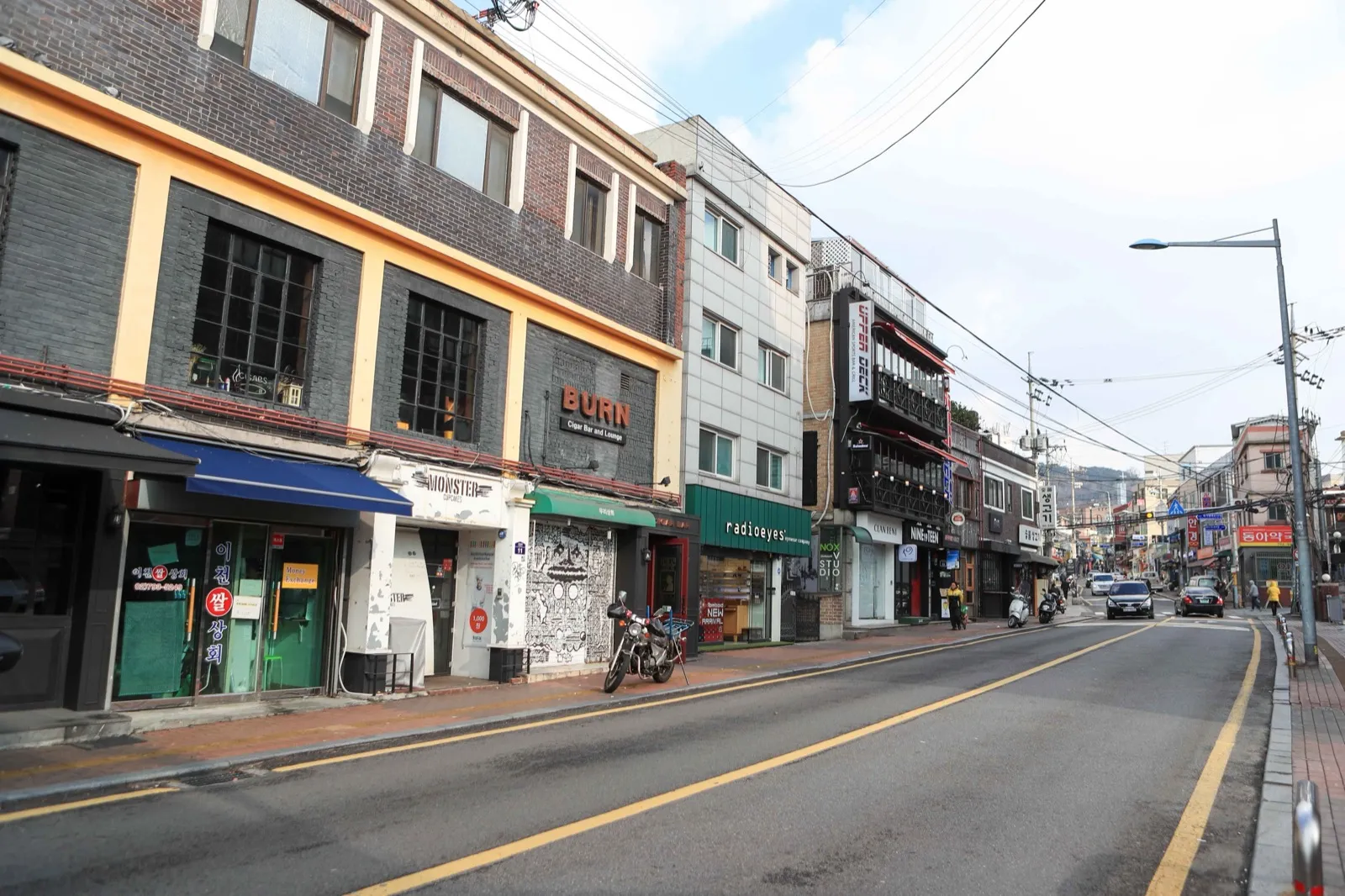
Itaewon Guide: Stations, Streets and What to See
How Itaewon, Gyeongnidan-gil, Haebangchon and Hannam-dong fit together along subway Line 6, where Leeum and the War Memorial of Korea are, and how to visit the October 29 memorial alley.
Steve OH edits Seoulpin. Steve runs Standardpin, a Seoul-based web studio that also builds websites for clinics; that work has no effect on whether or how any clinic appears here. Articles are drafted with AI assistance from the sources listed and reviewed by Steve before publishing. How we work