Itaewon Guide: Stations, Streets and What to See
How Itaewon, Gyeongnidan-gil, Haebangchon and Hannam-dong fit together along subway Line 6, where Leeum and the War Memorial of Korea are, and how to visit the October 29 memorial alley.
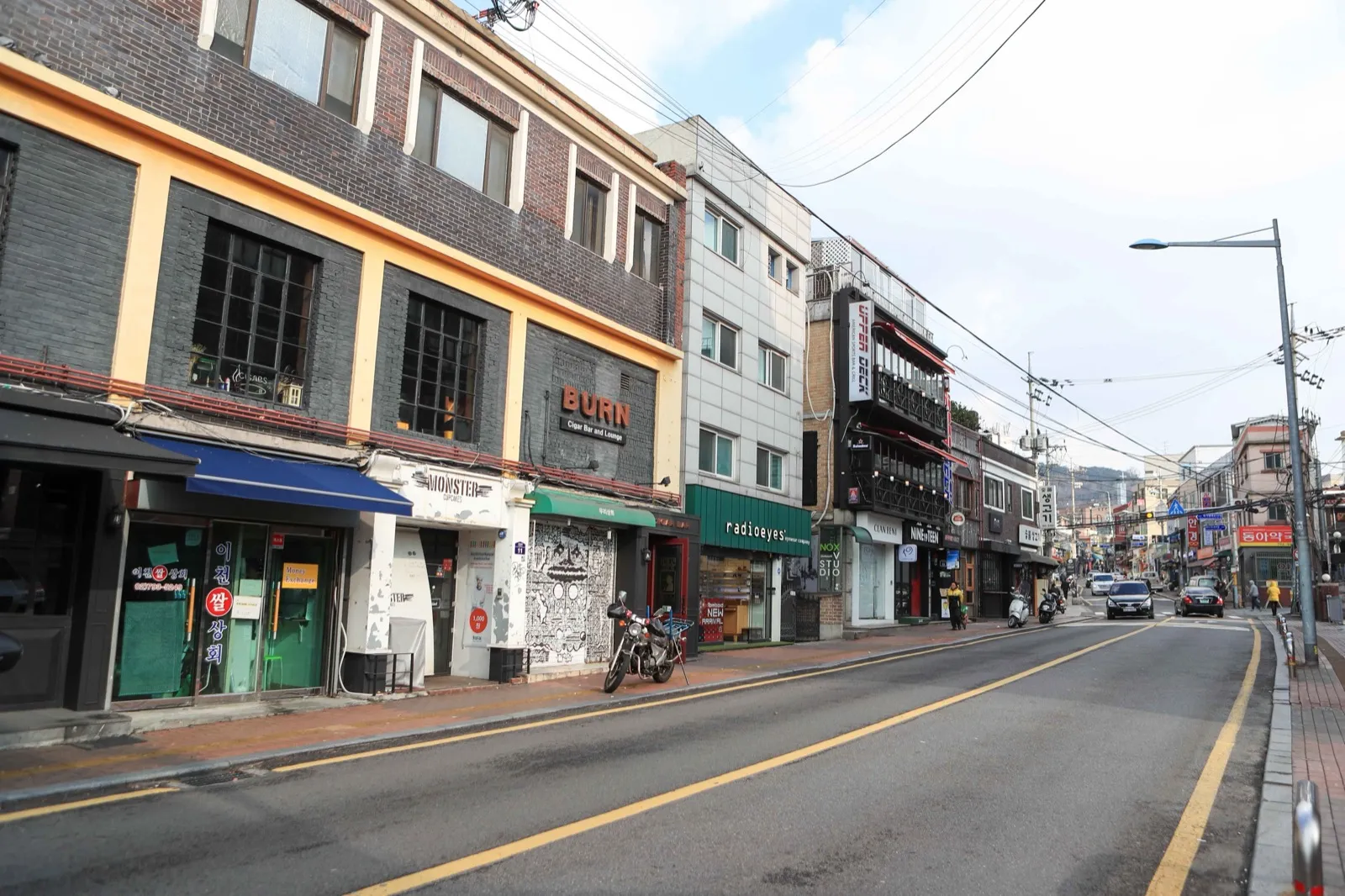
Itaewon is Seoul’s most international neighborhood, a strip of Yongsan-gu below Namsan that grew up beside the former US Army base and became Seoul’s first special tourist zone in 1997. It is easiest to understand as four stations on subway Line 6: Samgakji for the War Memorial of Korea, Noksapyeong for Gyeongnidan-gil and Haebangchon, Itaewon for the main road, the mosque and the antiques street, and Hangangjin for Hannam-dong and Leeum Museum of Art. Leeum’s antique galleries and the War Memorial are free, and both are usually closed on Mondays.
How do you get to Itaewon?
Take Line 6 and get off at whichever of its four Yongsan stations is closest to what you want to see. From Myeongdong or Seoul Station, take Line 4 to Samgakji and change to Line 6. From Incheon Airport (AREX all-stop train to Gongdeok) or Hongdae (Line 2, one stop to Hapjeong), change to Line 6 and ride it toward Samgakji and Itaewon. Naver Map gives the live route, and a T-money card covers every leg.
| Station | Exit | What is there |
|---|---|---|
| Samgakji (also Line 4) | 12 | War Memorial of Korea, 3 minutes on foot |
| Noksapyeong | 2 | Gyeongnidan-gil, Haebangchon, Shinheung Market |
| Itaewon | 1 and 3 | Itaewon-ro, the memorial alley, Seoul Central Mosque |
| Itaewon | 4 | Antiques street, 325 m on foot |
| Hangangjin | 1 | Hannam-dong, Leeum Museum of Art |
| Sookmyung Women’s Univ. (Line 4) | 3 | Haebangchon’s 108 Steps, 942 m on foot |
Line 6 runs Samgakji, Noksapyeong, Itaewon, Hangangjin in that order, west to east, and Itaewon-ro links them above ground. The side streets climb steeply toward Namsan, so wear shoes you can walk uphill in.
What is on Itaewon-ro, the main street?
Itaewon-ro is the main road through the neighborhood, and Exit 3 of Itaewon Station puts you on it. VisitKorea says more than 20,000 foreign residents live in the area, and that since the late 1990s visitors from Southeast Asia and the Middle East have turned streets once aimed at US soldiers into a mix of cultures. The road is lined with clothing and bag shops, leather goods, hotels and restaurants serving food from around the world. Many shops stock imported clothes in sizes that are hard to find elsewhere in Korea, so it’s the place to look if Korean sizing doesn’t fit you.
After dark the alleys behind Itaewon-ro fill with pubs, wine bars and clubs; among foreigners it is Seoul’s most popular nightlife area after Hongdae. Line 6 is the only subway line here, so check the last train in our subway guide or plan a taxi with Kakao T.
Where is the Itaewon mosque and Muslim Street?
Seoul Central Mosque is 477 m from Exit 3 of Itaewon Station, and Usadan-ro around it, often called Itaewon’s Muslim Street, is lined with Pakistani, Turkish, Indian and Middle Eastern restaurants. The walking route, prayer times and dress code are in our guide to the mosque and prayer rooms, and how to tell certified halal restaurants from the rest is in our halal food guide.
What is the Itaewon memorial alley?
The narrow, sloping alley beside the Hamilton Hotel, visible straight from Exit 1 of Itaewon Station, is where a crowd crush killed people on the night of October 29, 2022. It is now the 10·29 Memory and Safety Road (10·29 기억과 안전의 길), opened on October 26, 2023 by the bereaved families’ council and a citizens’ committee, with Yongsan-gu’s cooperation. The Ministry of the Interior and Safety counts 160 victims: on June 26, 2026 it recognized a local business owner who had helped carry the injured that night, and whose trauma was linked to the disaster, as the 160th. The families’ council says the dead came from 15 countries.
A sign marks the start of the road, and the line “We still have names we must remember” (우리에겐 아직 기억해야 할 이름들이 있습니다) is set into the ground at the alley’s entrance. On the wall beside it, one panel explains what happened in 14 languages, and two more hold photographs in a “window gallery” that was planned to change every two months when it opened in 2023. The families describe it as a place to remember those who died and to commit to safety so that it does not happen again. Messages to the victims can be sent from the project site’s message page, and one is chosen to be shown on the alley’s billboard.
The alley is a public street that people still walk through. Stop to read the panels, keep your voice down, and leave room for others to pass. If you take a photograph, make it of the panels, not of yourself, and don’t block the path to do it.
What are Gyeongnidan-gil and Haebangchon?
Gyeongnidan-gil and Haebangchon are the hillside streets west of Itaewon, both reached from Exit 2 of Noksapyeong Station. Gyeongnidan-gil is named after the army’s central finance corps (Gyeongnidan) whose gate it starts from. VisitKorea defines it as the 937 m road from that gate up to the Grand Hyatt Seoul, plus the alleys off it. Its cafes and restaurants spread from the main road into side lanes such as Hoenamu-ro 13-gil. There is no single sight here: the point is to wander.
Haebangchon sits higher on the slopes below Namsan, with narrow residential alleys, stairways and views over the city. Visit Seoul’s walking route starts at the 108 Steps, a steep staircase with a small inclined elevator beside it, 942 m from Exit 3 of Sookmyung Women’s Univ. Station (Line 4). It then goes through Shinheung Market, a small covered market of exposed brick and steel now full of tiny restaurants and bars, and comes back down to Gyeongnidan-gil, near Noksapyeong Exit 2. Start in the late afternoon: the hill is quiet and residential by day, the views are best at sunset, and the market and Gyeongnidan-gil are busiest after dark.
Fans of Itaewon Class look for the Noksapyeong Overpass near Exit 3, which is covered in our K-drama filming locations guide.
What is in Hannam-dong?
Hannam-dong, the area around Hangangjin Station at the eastern end, is the quieter side of Itaewon: a luxury residential area where brand showrooms and flagship stores line the main road and its alleys. Near the station are Comme des Garçons Street, Leeum Museum of Art and the Blue Square theater. The Korean fashion and eyewear flagships in Hannam, with addresses and hours, are in our guides to Korean fashion brands and Gentle Monster and Musinsa.
How do you visit Leeum Museum of Art?
Leeum is open Tuesday to Sunday, 10 a.m. to 6 p.m., with ticket sales closing at 5:30 p.m. It is closed on Mondays, January 1, and Seollal and Chuseok days. From Exit 1 of Hangangjin Station, walk 100 m toward Itaewon, turn right into the first alley and walk about five minutes uphill to 60-16 Itaewon-ro 55-gil (이태원로55길 60-16).
The permanent exhibition of Korean antique art is free, and so is the Gabriel Orozco garden. Temporary exhibitions are ticketed, with prices set per show and half price on the last Wednesday of each month. Individual bookings open 14 days ahead, up to four tickets per person. If you have not booked you can get a ticket on site, but book ahead if you want a particular time, since the museum warns of waits when the galleries are crowded. Visit Seoul says that, as of 2025, a digital guide in Korean, English, Chinese and Japanese is lent free if you show a passport or other ID. The museum does not allow guided talks inside other than its own.
How do you visit the War Memorial of Korea?
The War Memorial of Korea is free and open 9:30 a.m. to 5:40 p.m., with last entry at 5 p.m. It closes on Mondays, but when a Monday is a public holiday it opens and closes the day after the holiday instead. It also closes on some public holidays, such as Seollal day and substitute holidays, and lists each month’s closing days in its monthly opening notice. The address is 29 Itaewon-ro, Yongsan-gu (용산구 이태원로 29), at the western end of the same road that runs through Itaewon.
The quickest route is Exit 12 of Samgakji Station, 3 minutes on foot, or Exit 1, 5 minutes. Buses 110A, 110B, 740 and 421 stop at the War Memorial of Korea stop. Go in the morning, then continue east to Itaewon for the afternoon.
Where is the Itaewon antiques street?
The antiques street is about 1 km long, centered on 109-1 Bogwang-ro, Yongsan-gu (용산구 보광로 109-1), 325 m from Exit 4 of Itaewon Station. It dates to the late 1960s, when dealers from Asia, Europe and North America settled here. Visit Seoul counts about 100 shops, which began by selling second-hand US Army furniture and now sell antique furniture from around the world, along with decorations and some clothing. Opening days vary by shop.
When is the best time to visit Itaewon?
Go Tuesday to Sunday so that Leeum and the War Memorial are both open: the War Memorial in the morning, Leeum or Hannam-dong at midday, Haebangchon at sunset, then Gyeongnidan-gil or Itaewon-ro after dark. Weekend nights are the most crowded.
Thinking of staying here? Itaewon as a base, and how it compares with Myeongdong and Hongdae, is in our where to stay guide.
More Neighborhoods
Neighborhoods
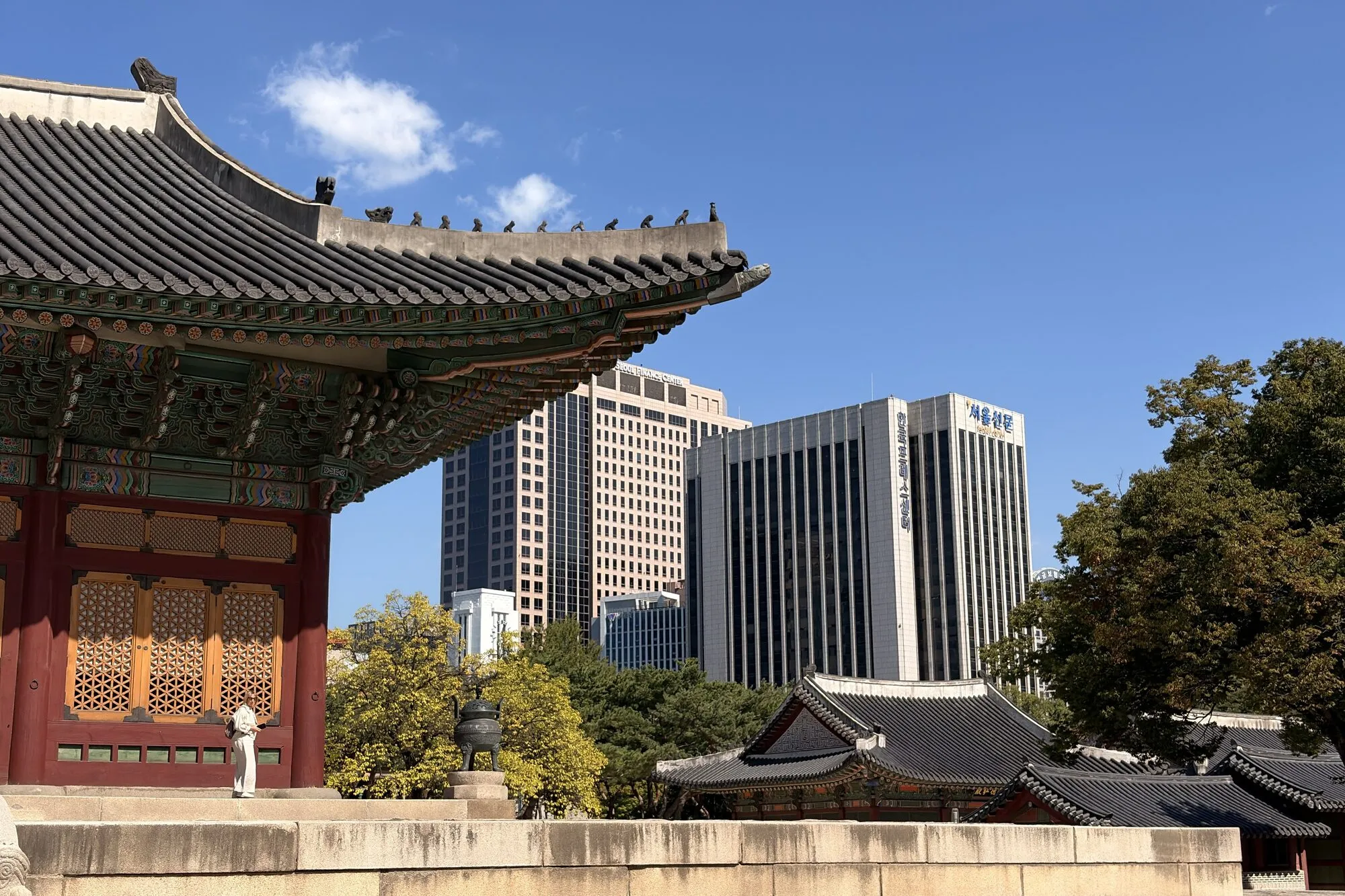
City Hall to Deoksugung to the Seoul Museum of Art: A Half-Day Walk That's Free on Wednesdays
Seoul City Hall's new basement gallery, the palace that now opens free every Wednesday, the stonewall road and a free city art museum, all within a few minutes of City Hall Station. Hours, closing days, tours and the order to walk it in.
Neighborhoods
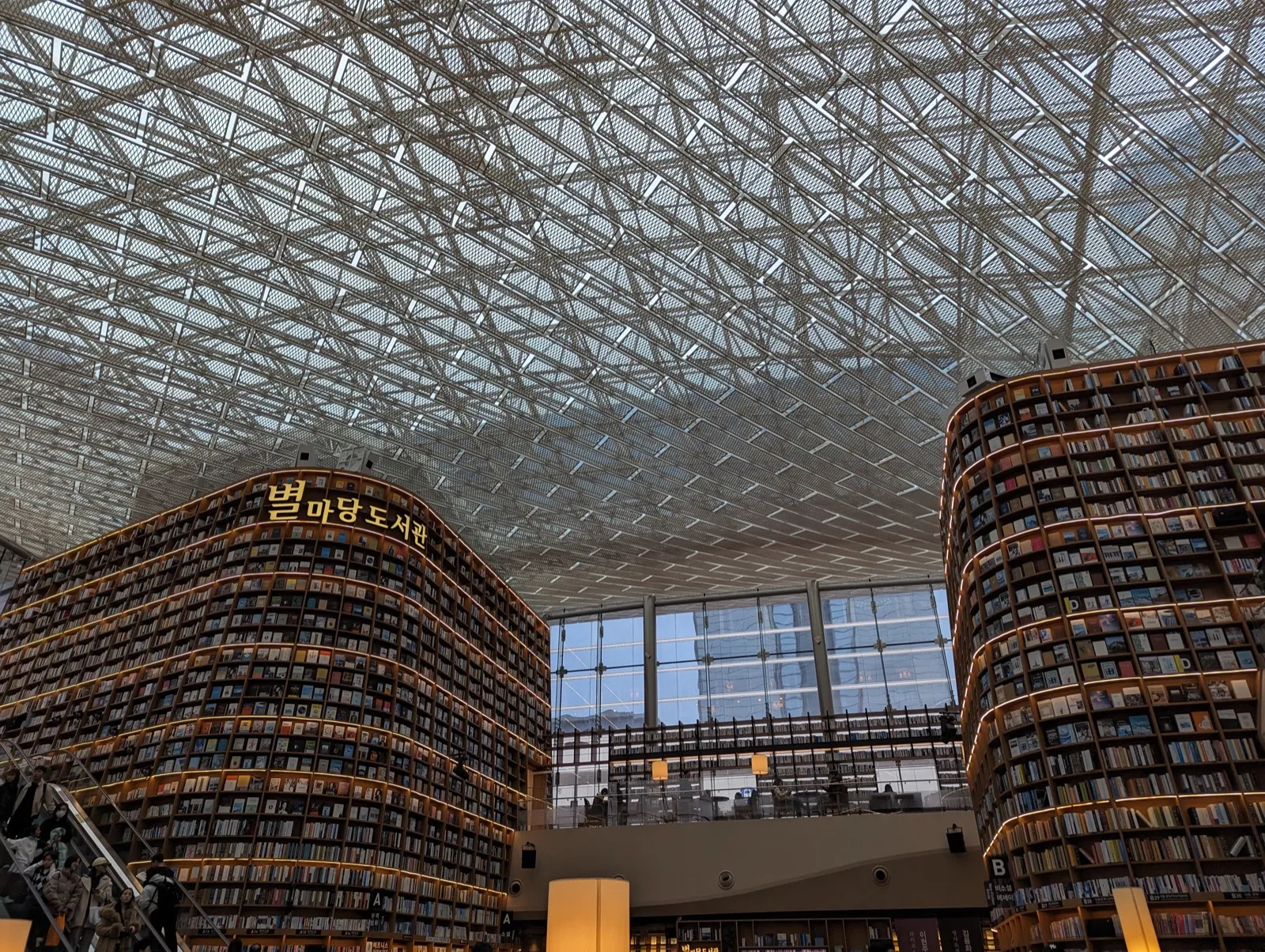
Gangnam for First-Timers: What It Is and How to Spend a Day
What Gangnam actually looks like on the ground, a one-day route from Bongeunsa and COEX to the royal tombs, Apgujeong and Garosu-gil, which subway lines to ride, and whether it makes a good base.
Neighborhoods
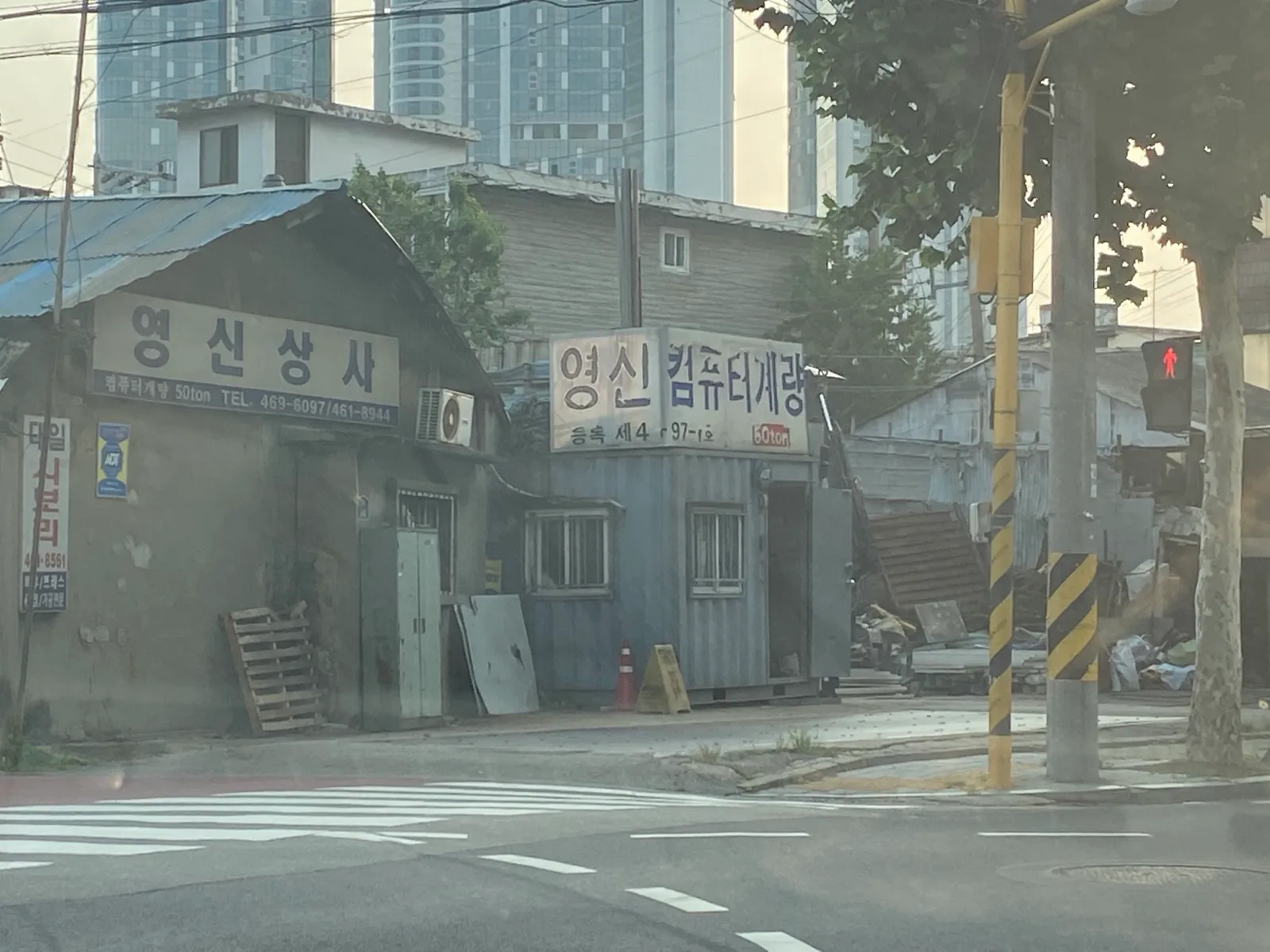
Seongsu-dong for First-Timers: Stations, Seoul Forest and the Pop-Up Streets
What Seongsu is, which of its three stations to use, how the pop-up streets work, Seoul Forest's hours and winter changes, and when to go to miss the worst crowds.
Steve OH edits Seoulpin. Steve runs Standardpin, a Seoul-based web studio that also builds websites for clinics; that work has no effect on whether or how any clinic appears here. Articles are drafted with AI assistance from the sources listed and reviewed by Steve before publishing. How we work