Hongdae Guide: Stations, Busking Street, Yeonnam-dong and Mangwon
Which Hongik Univ. Station exit goes where, how to ride in from Incheon Airport without changing trains, when and where the buskers play, what you need for the clubs, and how Yeonnam-dong, Mangwon Market, Hapjeong and Sangsu fit around Hongdae.
Hongdae (홍대) is the student, music and street-performance district around Hongik University in Mapo-gu, and you reach it at Hongik Univ. Station (홍대입구역), where Subway Line 2, the AREX airport train and the Gyeongui-Jungang Line meet. From Incheon Airport the AREX all-stop train runs there without a change for ₩4,650 from Terminal 1 or ₩5,250 from Terminal 2. Leave by Exit 8 or 9 for the busking street, or by Exit 3 for Yeonnam-dong and the Gyeongui Line Forest Park. Buskers play on stages booked through Mapo-gu, in two-hour slots from about 4 p.m., and every performance must stop at 10 p.m. The clubs are for adults: you must be 19 or older under Korean law, so bring your passport. Mangwon Market, Hapjeong and Sangsu are the quieter neighbourhoods one or two subway stops away.
What is Hongdae?
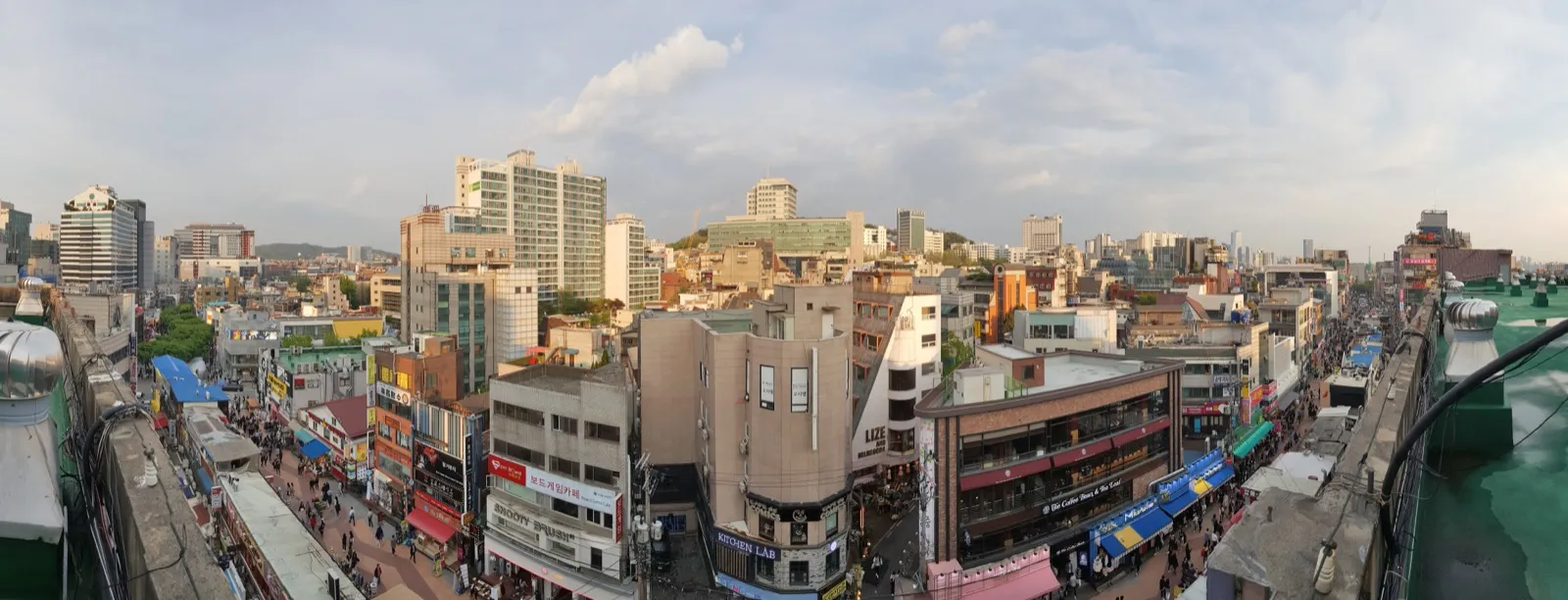
Hongdae is short for Hongik Daehakgyo, Hongik University, and the streets around its main gate grew into Seoul’s best-known music and street-art district. The Korea Tourism Organization describes it as a neighbourhood of clothing, cosmetics, book and living-goods shops, cafés and restaurants, with buskers and dance performances on the streets and a Club Street. Mapo-gu has also painted its main route red and named it the Red Road (레드로드): about 2 km of tourist street in numbered sections starting with R1, from the Gyeongui Line Forest Park through Hongdae to the Dangin-ri power plant near Sangsu Station. Walking R1 to R7 takes about 25 minutes.
Think of it as three areas. The Hongdae core lies south of the station, with the walking street, the clubs and the shopping streets. Yeonnam-dong (연남동) lies north, along the park. Hapjeong (합정), Sangsu (상수) and Mangwon (망원) lie south-west toward the Han River, with smaller shops and fewer crowds.
How do you get to Hongdae?
Ride to Hongik Univ. Station. Line 2, the green circle line, takes you there from City Hall, Sinchon, Gangnam or Seongsu without a change, and the AREX all-stop train and the Gyeongui-Jungang Line stop there too. For fares, T-money and last trains, see how to ride the Seoul subway.
| Exit | Use it for |
|---|---|
| Exit 8 | The walking street and R2 busking stages, about 170 m |
| Exit 9 | The walking street and the R1 Red Culture Market plaza next to R2, about 220 m |
| Exit 7 | The street-art section where the Red Road starts, by the Gyeongui Line Forest Park |
| Exit 5 | AK PLAZA Hongdae and its K-pop album shop |
| Exit 3 | Gyeongui Line Forest Park (Yeontral Park) and Yeonnam-dong |
From Incheon Airport: take the AREX all-stop train (일반열차), not the express. The express runs nonstop to Seoul Station and passes Hongdae by. The all-stop takes 59 minutes from Terminal 1 to Seoul Station and 66 from Terminal 2, and Hongik Univ. is two stops before Seoul Station, so you arrive a little sooner. With a T-money card the fare is ₩4,650 from T1 and ₩5,250 from T2. For buses, taxis and late-night options, see Incheon Airport to Seoul.
Staying here? Hongdae suits travellers who go out at night; how it compares with other areas is in where to stay in Seoul.
Where is the Hongdae busking street, and when do buskers play?
The buskers play on the walking street, 걷고싶은거리 (“the street you want to walk”), along Eoulmadang-ro. It starts straight ahead from Exits 8 and 9, walking toward the university. This is the Red Road’s R2 section. Acts include pop, dance, magic and mime. The R1 plaza next to it holds flea markets, caricature drawing, traditional games and more busking.
The busking is organised. Mapo-gu runs four busking zones plus a plaza stage, a travel stage and an outdoor exhibition zone, and posts each day’s acts, genres and times on its outdoor performance schedule (Korean-language page): tap a date and a zone. Performers apply on Mapo-gu’s website during each application period, and slots are drawn by lottery; Mapo-gu dropped advance registration of buskers in September 2026, Money Today reported. Mapo-gu’s rules for performers set a slot at 1 hour 50 minutes, allow performances only at the booked spots, and ban them after 10 p.m., because people live around the street. The schedule lists acts in two-hour slots from 4 p.m.: 16:00, 18:00 and 20:00, the last ending at 10 p.m.
So go between about 4 p.m. and 10 p.m., and tap the day on the schedule to see who is on. Stand where the crowd leaves room for shop doors and people walking past: performers are told to keep audiences from blocking either.
What do you need to go clubbing in Hongdae?
You must be 19 or older, and anyone who turns 19 this calendar year counts from 1 January: the Juvenile Protection Act (Korean-language page) treats everyone younger as a youth. Adult-only venues must check the age of everyone coming in, and under Article 29 they may ask for ID and turn away anyone who won’t show it. Carry your passport.
Club Street is the Red Road’s R9 section, along Jandari-ro and Wausan-ro to Sangsu Station. It is packed at weekends and over the year-end holidays, Hwankyung Ilbo reported in 2024, when Mapo-gu began widening its pavements to handle the crowds. Its nearest stop is Sangsu Station on Line 6, one stop from Hapjeong.
What else is there to see in the Hongdae core?
Walk a loop from the walking street. Mapo-gu’s list of Hongdae sights includes:
- Hongtong-geori (홍통거리), across from the walking street at 77 Eoulmadang-ro, a lane of small clothing shops.
- Mural street (벽화거리), on Wausan-ro 22-gil: turn left at the university’s main gate for walls painted on both sides.
- Hongdae Free Market (홍대앞 예술시장 프리마켓), every Saturday from March to November, 1 p.m. to 6 p.m., in Hongik Culture Park (홍익문화공원, formerly Hongik Children’s Park) in front of the main gate, where local makers show and sell handmade crafts.
- Ttaengttaeng-geori (땡땡거리), about 200 m of lane along the old railway under Wawoo Bridge toward Sinchon, named for the bell at the level crossing. Mapo-gu says it is known as the birthplace of Hongdae’s music and art culture.
- Gyeongui Line Book Street (경의선책거리), at 50-4 Wausan-ro 35-gil, a book-themed street built on the disused Gyeongui railway line.
The forest park’s Wawoo Bridge section, from Hongdae to Sogang Univ. Station, keeps old rails and a restored level crossing. It is the section that looks most like the railway it replaced.
What are Yeonnam-dong and the Gyeongui Line Forest Park?
Yeonnam-dong is the neighbourhood north of the station, and the Gyeongui Line Forest Park (경의선숲길) is the long, narrow park through it, built over the old railway after the tracks went underground. The whole park runs 6.3 km from Gajwa Station toward Hyochang Park. The Yeonnam-dong stretch, nicknamed Yeontral Park (연트럴파크), is the busiest: about 1.2 km from Yeonnam crossroads to Hongik Univ. Station, lined with ginkgo trees and an 860 m stream. It is a favourite spot for young people to lay out mats and drink beer.
Leave Hongik Univ. Station by Exit 3 and you are at the park’s south end; the park’s information post is about 200 m along, in front of the Yeonnam police box. The other end is Gajwa Station on the Gyeongui-Jungang Line. Yeonnam-dong’s side streets off the park hold small cafés, bookshops and craft workshops.
How do you get to Mangwon Market and Mangwon Hangang Park?
Take Line 6 to Mangwon Station (망원역) and walk about 350 m from Exit 2 to Mangwon Market, at 27 Poeun-ro 6-gil. It is open daily from 10 a.m. to 9 p.m., though hours vary by stall. It sells cheap street snacks, tteokgalbi and traditional alcohol, and VisitKorea adds fruit, vegetables and seafood, with newer cafés and dessert shops mixed in. For how traditional markets work, see Gwangjang Market street food.
For the river, Mangwon Hangang Park has a large lawn facing the Han and a view of Seongsandaegyo Bridge, lit at night. From Exit 1 of Mangwon Station or Exit 1 of Hapjeong Station, take the Mapo 09 or Mapo 16 village bus to the Mangwon Hangang Park stop.
What are Hapjeong and Sangsu like?
Hapjeong and Sangsu are the calmer, southern end of the Red Road, whose sections run past Sangsu Station on Line 6 toward the Dangin-ri power plant. Haneul-gil (하늘길), around Hapjeong Station Exit 7, is a quieter shopping area of about 190 shops, with independent bookshops, workshops and studios among the cafés and restaurants. Mapo-gu’s Sangsu and Hapjeong walking course is built around long-running shops and the café streets near the power plant. Hapjeong is one Line 2 stop south of Hongik Univ., and Line 6 links Hapjeong with Sangsu and Mangwon.
Is there a free guided walk of Hongdae?
Yes. Mapo-gu runs free village walking tours of about two hours each. You pay only for your own drinks or paid activities on the way, and a tour goes ahead when at least two people book. The Yeonnam course runs in Korean, English, Japanese and Chinese and starts at Hongik Univ. Station Exit 3, then follows the forest park into Yeonnam-dong’s side streets. The Mangwon-dong course runs in Korean, English and Japanese. The Sangsu and Hapjeong course is in Korean only.
Book at least seven days ahead; same-day booking is not possible. Mapo-gu’s tour page explains the rules in English, but its online form asks you to sign in with a Naver or KakaoTalk account or a Korean phone verification. Without one of those, book by phone, which the page lists as the way to apply: from abroad call +82-2-3153-8654 or +82-2-3153-8655 (02-3153-8654 or 02-3153-8655 inside Korea). If you book online, phone one of those numbers afterwards to confirm, because the online system does not always register the booking. Cancel by phone at least 24 hours before. A late cancellation stops you from booking again for three months. Travel insurance is not included.
Where do you shop in Hongdae?
Shop on the streets around Exits 8 and 9 and along Yanghwa-ro, the main road outside the station. We cover the big stores elsewhere: Gentle Monster’s Hongdae store and the Musinsa stores, with how their tax refunds work; the Hongdae branches of Korean fashion brands; and K-pop stores, including the album shop in AK PLAZA Hongdae at Exit 5 and YG’s merchandise store in Hapjeong. For a K-pop dance class in English, see K-pop dance classes in Seoul. For a haircut, our Korean hair salon guide covers Naver booking, prices and my men’s cut and down perm at a Hongdae salon.
When is the best time to visit Hongdae?
Go late afternoon into the evening. Start in Yeonnam-dong and the forest park or at Mangwon Market while it is light, then walk to the walking street for the buskers before their 10 p.m. cut-off. Weekend nights are the busiest, above all on Club Street. From March to November, come on a Saturday to add the Free Market.
Getting back is easy until the last train. On weekdays the last Line 2 trains leave Hongik Univ. at 12:49 a.m. toward City Hall (inner circle, running as far as Euljiro 1-ga) and 12:15 a.m. toward Gangnam (outer circle, as far as Samseong), on Seoul Metro’s timetable (Korean-language page). On Saturdays, Sundays and holidays they leave an hour earlier: 11:49 p.m. toward City Hall and 11:16 p.m. toward Gangnam. After that, take a taxi; how to call one is in Naver Map and Kakao T.
More Neighborhoods
Neighborhoods
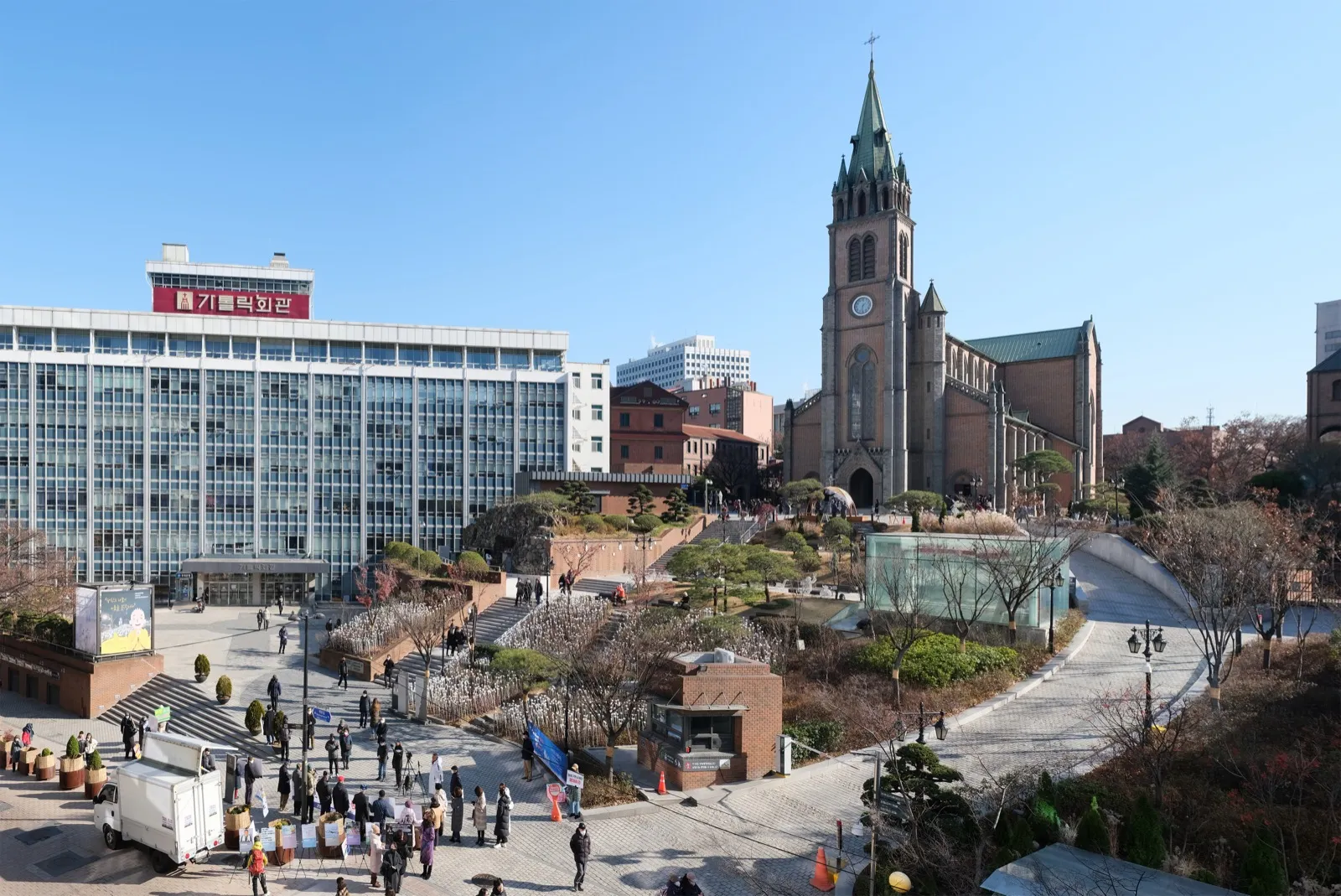
Myeongdong for First-Timers: Exits, Street Food, the Cathedral and the Cable Car
Which exit to take, how to pay at the street stalls, when to catch the cathedral's English mass, what to bring to a money changer, and the walk up to the Namsan Cable Car.
Neighborhoods
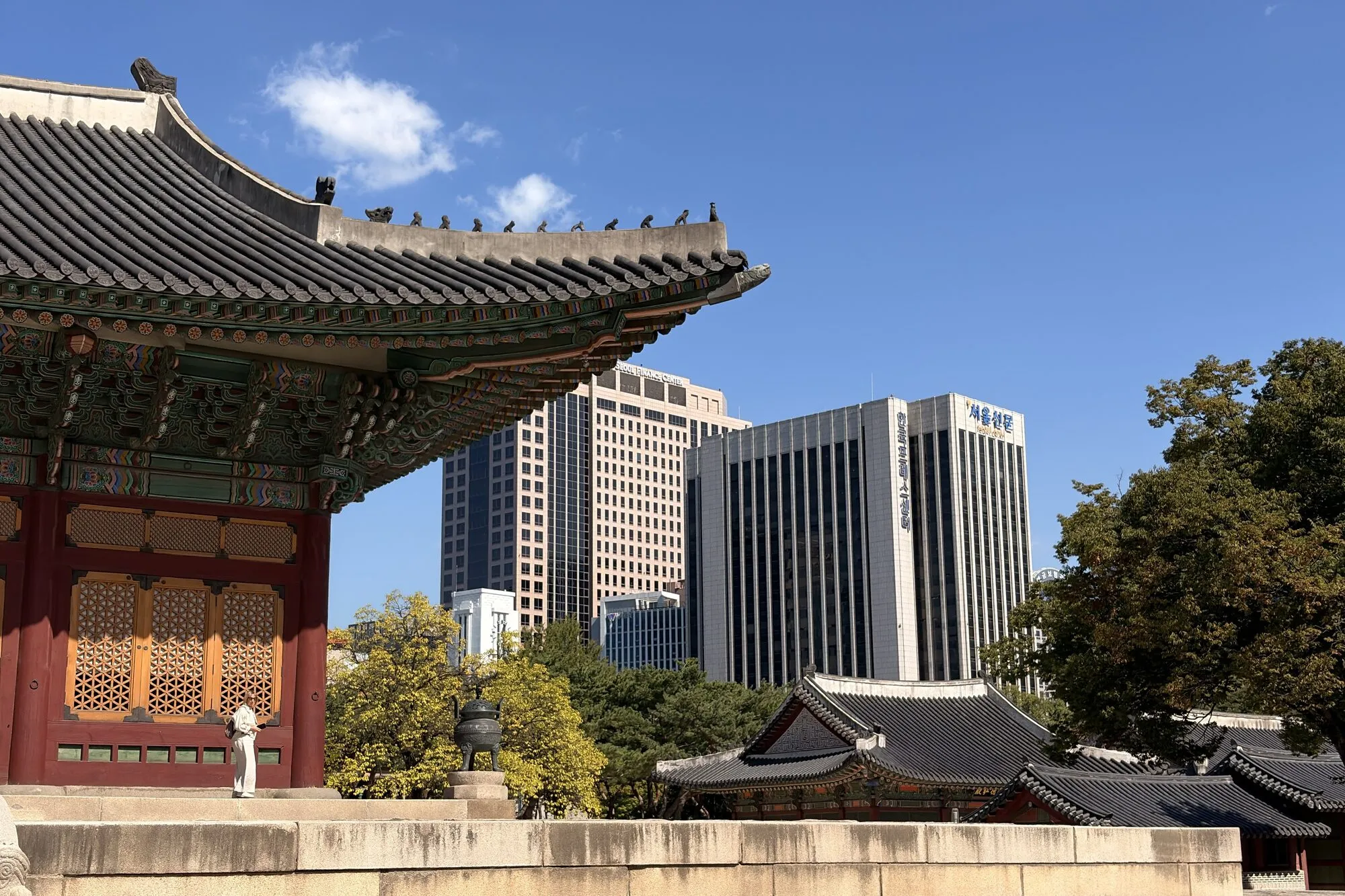
City Hall to Deoksugung to the Seoul Museum of Art: A Half-Day Walk That's Free on Wednesdays
Seoul City Hall's new basement gallery, the palace that now opens free every Wednesday, the stonewall road and a free city art museum, all within a few minutes of City Hall Station. Hours, closing days, tours and the order to walk it in.
Neighborhoods
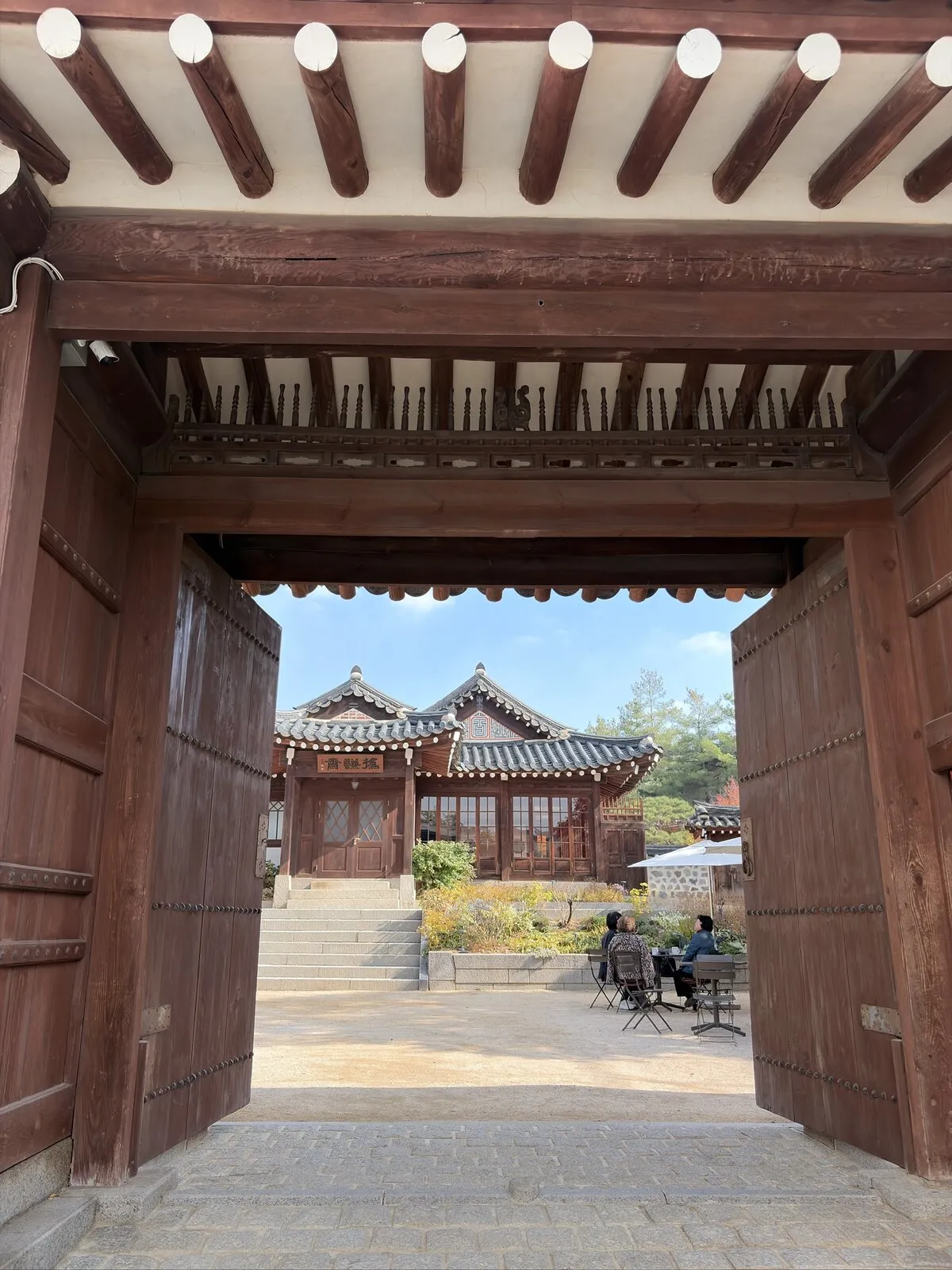
An Afternoon in Bukchon: Five Stops Beyond the Photo Lanes
A ginseng class at the House of Sulwhasoo, a café with window counters over hanok roofs, the residents' lanes before 5 p.m., the free National Folk Museum and Gyeongbokgung's throne hall. How long each took me, what it cost, and the order to walk it in.
Steve OH edits Seoulpin. Steve OH is the English name of Myeong OH (오명), Seoulpin's registered publisher. Steve runs Standardpin, a Seoul-based web studio that also builds websites for clinics; that work has no effect on whether or how any clinic appears here. Articles are drafted with AI assistance from the sources listed and reviewed by Steve before publishing. How we work
Notes from readers who went